Welcome to the 12th edition of the Physical Geography Lab Manual, offering comprehensive exercises and solutions. This guide provides detailed insights into various lab topics, helping students master key concepts. Each section includes practical activities to enhance your understanding of physical geography principles. Dive into exercises like floodplains, volcanoes, and more, supported by clear answer guides. Build your skills confidently with this updated manual.
Overview of the Lab Manual
The Physical Geography Lab Manual 12th Edition is a comprehensive resource designed to enhance understanding of physical geography concepts. It features detailed exercises, answer guides, and real-world applications. The manual covers topics such as floodplains, volcanoes, and river systems, providing students with practical insights. With clear explanations and step-by-step solutions, it supports effective learning and critical thinking. This edition emphasizes hands-on exploration, enabling students to connect theory with practice.
Key Features and Benefits
The 12th edition of the Physical Geography Lab Manual offers a wealth of features designed to enhance your learning experience. It includes comprehensive exercises with detailed, step-by-step solutions, allowing you to tackle complex concepts with confidence. The manual covers a wide range of topics, from floodplains and volcanoes to river systems, providing a well-rounded understanding of physical geography principles. Each exercise is carefully crafted to help you apply theoretical knowledge to real-world scenarios.

In addition to its extensive exercises, the manual integrates modern technological tools, such as GIS software and remote sensing, preparing you for the demands of contemporary geographical studies. The inclusion of real-world applications and case studies ensures that your learning is grounded in practical relevance, helping you see the connection between theory and practice.
By using this manual, you gain access to a resource that not only supports your academic growth but also equips you with skills that are valuable in addressing today’s environmental and urban challenges. Whether you’re analyzing data, interpreting maps, or understanding the impact of human activities on the environment, this manual is your go-to guide for success in physical geography.
Getting Started: Navigating the Manual
Welcome to your comprehensive guide for the Physical Geography Lab Manual. To begin, familiarize yourself with the manual’s structure, ensuring a smooth navigation experience. Each lab exercise is meticulously organized, with clear objectives and instructions, allowing for a seamless progression through the material.
Utilize the table of contents to quickly locate specific exercises or chapters. Answer keys and supplementary resources are strategically placed to enhance your learning journey, offering immediate access to solutions and additional insights.
Moreover, the manual incorporates various icons and symbols to differentiate content types, such as theoretical concepts, practical exercises, and case studies, aiding in an intuitive comprehension of the material.
By mastering the layout and accessing the provided resources effectively, you’ll maximize the benefits of this manual, setting a solid foundation for your exploration into physical geography. Happy learning!

Lab Exercises and Answer Guides
Welcome to the lab exercises and answer guides section. Designed to enhance your understanding of physical geography, these exercises feature hands-on activities, maps, and data analysis. Answer guides provide step-by-step solutions, ensuring clarity and reinforcing key concepts. From floodplains to volcanic activity, these labs offer practical insights into geographical processes.
By accessing answer keys and online resources, you can verify your solutions and deepen your knowledge. These exercises are crafted to help you build analytical and problem-solving skills, essential for mastering physical geography. Get ready to explore the dynamic world of geographical studies with confidence!
This exercise focuses on the foundational skills of understanding and utilizing maps. Students will explore various types of maps, including topographic and thematic maps, learning how each conveys specific information. Key concepts such as map scales, symbols, and grids are introduced to enhance interpretative abilities. Through practical tasks, students will practice locating geographical features and analyzing spatial relationships. This exercise emphasizes the essential role of maps as tools for visualizing and comprehending our physical environment, setting the stage for advanced geographical studies. By mastering these mapping techniques, students will develop the critical skills necessary for interpreting and communicating geographical data effectively.
Lab Exercise 2: Landforms and Topography
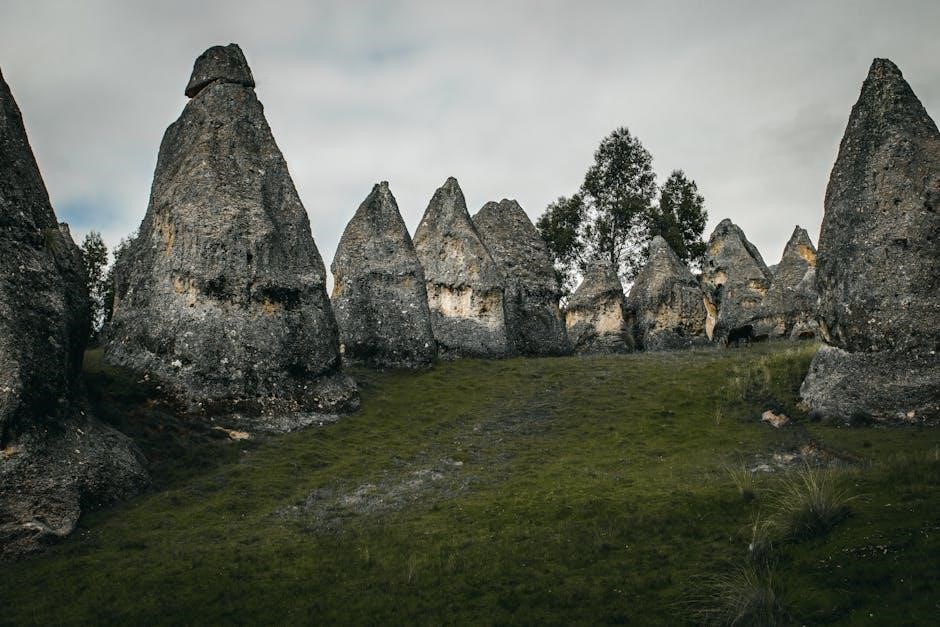
This exercise focuses on the identification and analysis of various landforms, such as mountains, valleys, and plateaus. Students will learn to interpret topographic maps and understand elevation changes and landscape features through contour lines and elevation profiles. They will practice calculating slope steepness and accurately identifying geographical features. Additionally, students will explore geological processes shaping landforms over time and examine the relationship between landforms and climate, recognizing how topography influences regional weather systems and ecosystems. This exercise emphasizes the importance of topography in understanding geographical patterns and processes, equipping students with essential skills for interpreting the Earth’s surface.
Lab Exercise 3: Climate Patterns and Their Impact
Lab Exercise 3 focuses on analyzing global climate patterns and their effects on ecosystems, human activities, and environmental changes. Students examine different climate zones, such as tropical, temperate, and polar regions, and explore the factors influencing their formation, including latitude, atmospheric circulation, and ocean currents. Through data interpretation and mapping exercises, students identify climate trends and predict potential impacts on biodiversity, agriculture, and urban development. Emphasizing the interconnectedness of climate systems, this exercise underscores the importance of understanding climate variability and its far-reaching consequences. By engaging with real-world case studies, students develop a comprehensive understanding of how climate shapes our world and impacts human livelihoods.
Lab Exercise 4: Hydrological Cycles and Water Resources
In this exercise, students delve into the hydrological cycle, exploring essential processes such as evaporation, condensation, precipitation, and collection. By analyzing data from various regions, students examine the distribution and availability of water resources, including rivers, lakes, groundwater, and glaciers. The exercise emphasizes the impact of environmental factors like climate change and human activities on these resources. Through hands-on activities, such as setting up hydrological models or using GIS tools to map water flow, students investigate real-world water management challenges. Additionally, the lab includes case studies to understand water scarcity and sustainable practices. This exercise not only enhances students’ understanding of the hydrological cycle but also prepares them to address contemporary water-related issues, underscoring the importance of effective water resource management in today’s context.
Lab Exercise 5: Earthquakes and Plate Tectonics
In this lab, students investigate the processes behind earthquakes and how they relate to plate tectonics. Using various maps and GIS tools, they analyze fault lines and earthquake data distributions. Through this, students gain insights into the patterns and impacts of tectonic activity on human settlements and natural landscapes. They also explore case studies of significant earthquakes, examining their causes and effects. This exercise emphasizes the importance of understanding tectonic movements for predicting and mitigating earthquake risks, integrating data analysis and cartographic skills to enhance geographical understanding.

Lab Exercise 6: Volcanoes and Their Activity
This lab explores the classification of volcanoes, their eruptive styles, and the impact of eruptions on landscapes and human activity. Students analyze eruption mechanisms, study volcanic features, and evaluate the application of remote sensing in monitoring volcanic activity, enhancing understanding of these dynamic geologic processes.
Floodplains and River Systems
Floodplains are low-lying areas adjacent to rivers, prone to periodic flooding that shapes their geomorphology. These dynamic regions experience processes like erosion and deposition, creating features such as meanders and oxbow lakes. Understanding floodplain geomorphology is crucial for analyzing river systems, particularly how human activities interact with these natural processes. By utilizing data analysis techniques like GIS and remote sensing, students can examine floodplain characteristics and predict flood impacts. Fieldwork observations involve identifying floodplain landforms and assessing sediment layers. This knowledge is vital for flood mitigation strategies, balancing human needs with ecological preservation. Additionally, the role of climate change in altering floodplain dynamics and necessitating adaptive management approaches is explored, highlighting its importance in environmental conservation.
Lab Exercise 7: Glaciers and Ice Ages
In this lab exercise, students explore the dynamics of glaciers and the impact of ice ages on Earth’s landscapes. Gladly, you will examine how glaciers form, advance, and retreat using historical data and maps. Analysis of glacial landforms, such as moraines and drumlins, will help you understand their role in shaping the terrain. Additionally, the exercise investigates the fluctuations in global temperatures that characterize ice ages, providing insights into climate change patterns. By analyzing sediment cores and glacier movement records, you’ll assess the ongoing effects of glacial retreat due to global warming. This hands-on activity equips you with the skills to interpret geological evidence and predict future glacial movements, emphasizing the importance of understanding our changing environment.
Lab Exercise 8: Biomes and Ecosystems
This exercise delves into the study of biomes and ecosystems, focusing on their characteristics and interdependencies. You will examine the global distribution of major biomes, such as forests, deserts, and grasslands, and explore the factors influencing their formation, including climate, soil, and vegetation. Through interactive activities, you’ll analyze food chains, energy flow, and nutrient cycles to understand ecological relationships. The exercise also covers the impact of human activities, such as deforestation and pollution, on biome stability. Utilizing GIS tools and satellite imagery, you’ll map biome distributions and monitor changes over time, applying both theoretical knowledge and real-world data. This exercise emphasizes practical skills in data analysis and case study application, enhancing your ability to address environmental challenges effectively.
Lab Exercise 9: Human Impact on Geography
This exercise examines the profound effects of human activities on geographical systems and environments. You will explore the influences of urbanization, land-use changes, and resource consumption on natural landscapes. Key topics include deforestation, pollution, and the alteration of water cycles. Using satellite imagery and GIS tools, you’ll analyze real-world examples of environmental degradation and assess their implications. The exercise also emphasizes mitigation strategies to reduce human impact, such as sustainable land management and conservation efforts. By understanding these interactions, you’ll gain insights into balancing human needs with ecological preservation.

Data Analysis and Interpretation
This section focuses on exercises and solutions for analyzing geographical data, emphasizing critical skills in data interpretation. Students learn to apply advanced methodologies, including GIS and statistical analysis. A variety of hands-on activities enhance understanding through real-world applications.
Lab Exercise 10: Analyzing Geographical Data
Lab Exercise 10 focuses on analyzing geographical data using advanced methodologies and tools. Students learn to interpret and visualize data, applying techniques such as mapping and spatial analysis. The exercise emphasizes critical thinking and problem-solving, enabling students to draw meaningful conclusions from complex datasets. Through hands-on activities, learners gain proficiency in data collection, organization, and presentation, preparing them for real-world geographical challenges.
Lab Exercise 11: Cartography and GIS
Lab Exercise 11 delves into the fundamentals of cartography and Geographic Information Systems (GIS). This exercise introduces students to the principles of map creation, spatial data analysis, and the use of GIS tools for solving geographical problems. Through hands-on activities, students explore mapping techniques, data visualization, and the application of GIS in real-world scenarios. The exercise emphasizes the importance of accuracy, scale, and map interpretation, equipping students with essential skills for geographical data analysis and presentation.
Lab Exercise 12: Remote Sensing and Satellite Imagery
This exercise focuses on remote sensing and satellite imagery, key tools for studying the Earth. Students learn to interpret satellite images, distinguishing natural and human-made features, and analyze vegetation patterns and urban expansion. Using false-color imagery, they identify surface types and changes in water bodies. The lab introduces GIS software for data processing, enabling spatial analysis and monitoring environmental alterations. Skills gained include data interpretation and spatial analysis, essential for understanding geospatial dynamics.
Applications of Physical Geography
Applications of Physical Geography involve environmental planning, resource management, disaster response, and sustainable development using GIS and remote sensing tools to monitor and predict environmental changes.
Natural Hazards and Disaster Mitigation
The lab manual’s section on natural hazards explores disasters like earthquakes, volcanic eruptions, and floods. Students analyze floodplain dynamics, assess risk factors, and develop mitigation strategies. Exercises focus on understanding disaster triggers, evacuation planning, and community resilience. Using tools like GIS and satellite imagery, students evaluate real-world scenarios to design effective disaster management plans, emphasizing preparedness and recovery efforts.
Lab Exercise 13: Climate Change and Its Effects
This lab focuses on analyzing the physical impacts of climate change, such as rising temperatures, altered precipitation patterns, and melting ice caps. Students use GIS tools to visualize and interpret data, examining case studies of affected regions like arctic areas and coastlines. The exercise emphasizes understanding the relationship between climate change and its effects on ecosystems, water cycles, and landscapes, encouraging students to explore mitigation strategies and their implications in physical geography. Through hands-on activities, students gain insights into the science behind climate change and its far-reaching consequences. The lab provides a comprehensive approach to analyzing satellite imagery and climate data, fostering a deeper understanding of this critical global issue.
Lab Exercise 14: Urban Planning and Geography
Lab Exercise 14 explores the intersection of urban planning and geography, examining how cities grow, evolve, and interact with their environments. Students analyze urban layouts, transportation networks, and land-use patterns using GIS and cartography tools. The exercise emphasizes the importance of sustainable development and smart city design, focusing on case studies of successful urban planning strategies. Practical activities include mapping urban sprawl, evaluating infrastructure, and assessing environmental impact. Through this lab, students gain insights into the challenges and opportunities of creating livable, efficient, and environmentally friendly urban spaces.
Geographical Models and Theories
This section delves into the foundational geographical models and theories that shape our understanding of Earth’s physical processes. Students explore concepts like plate tectonics, climatic patterns, and ecosystem dynamics through practical applications. By analyzing these models, learners gain insights into how geographical phenomena occur and evolve. Case studies and data analysis exercises reinforce theoretical knowledge, providing a bridge between abstract concepts and real-world scenarios.
Lab Exercise 15: Geographical Theories in Practice
This lab exercise focuses on applying key geographical theories to real-world scenarios. Students examine case studies involving plate tectonics, climate patterns, and ecosystem dynamics. By employing tools like GIS and remote sensing, learners analyze spatial data to test theoretical models. This hands-on approach enhances understanding of how geographical processes operate and interact. Through practical activities, students develop critical thinking and problem-solving skills essential for analyzing complex environmental challenges.
Lab Exercise 16: Tectonic Plate Movement Models
This exercise explores the dynamics of tectonic plate movements through simulations and case studies. Students analyze plate boundaries, including divergent, convergent, and transform zones, and their associated geological features. Activities involve interpreting maps and satellite imagery to identify fault lines and mountain ranges. Discussions on natural phenomena like earthquakes and volcanic activity highlight the real-world implications of plate movements. Updated with the latest research and technologies, such as GPS data and seismic imaging, the lab emphasizes hands-on learning. Simulations with materials like clay demonstrate stress and strain effects, providing a tangible understanding of these processes. This exercise reinforces the importance of tectonic plate movements in shaping Earth’s surface, offering practical insights into a fundamental aspect of physical geography.
Lab Exercise 17: Climatic Models and Predictions
In this exercise, students engage with climatic models to explore how future weather and climate patterns are predicted. Climatic models utilize various factors such as greenhouse gas concentrations, solar radiation, and ocean currents to simulate climate scenarios. Students will analyze data and interpret model outputs, using tools like GIS to map climate data and assess trends. By leveraging satellite imagery and geographical data, participants will understand how real-world data informs climate predictions. This exercise emphasizes the importance of climatic models in addressing climate change and their role in policy-making and environmental management. Students will gain hands-on experience in creating and evaluating climate models, highlighting the tools and methods essential for understanding our changing climate.

Case Studies and Fieldwork
Explore real-world scenarios with case studies and fieldwork, enhancing understanding through practical applications of geographical concepts and analysis. Engage with tools like GIS to interpret data insights, gaining hands-on experience in environmental research.
Lab Exercise 18: Real-World Fieldwork Applications
This lab exercise focuses on applying physical geography principles to real-world scenarios. Students engage in hands-on activities, such as analyzing floodplains and river systems, using GIS tools. Real-world case studies are explored, emphasizing the practical application of geographical theories. The exercise encourages critical thinking and data interpretation, preparing students for real-life environmental challenges. Fieldwork techniques and data collection methods are also practiced, reinforcing the connection between theory and practice.
Lab Exercise 19: Case Study Analysis
In this exercise, students analyze real-world geographical case studies to apply theoretical concepts. By examining specific examples, such as urban planning or environmental issues, students develop critical thinking and problem-solving skills. This lab emphasizes the importance of data interpretation and the use of tools like GIS and satellite imagery. Students explore how geographical principles address practical challenges, reinforcing their understanding of physical geography. This exercise also highlights the interconnectedness of human and environmental systems, providing insights into global issues.
Lab Exercise 20: Community Engagement and Geography
In this exercise, students delve into the dynamic relationship between geography and community engagement. The focus is on how geographical information and tools can be utilized to involve community members in decision-making processes related to their local environment and resources. This hands-on experience emphasizes the practical application of geographical knowledge to address community concerns and foster collaboration.
Students will explore activities such as participatory mapping, where community members contribute their local knowledge to create maps that reflect their unique perspectives and needs. This process highlights the importance of understanding cultural, social, and technological differences when engaging with diverse communities.
The exercise will also cover the use of modern tools like GIS, remote sensing, and social media to facilitate community involvement. Students will learn how to present geographical data in an accessible manner, enabling non-experts to understand and participate in projects effectively.
Ethical considerations, including confidentiality and cultural sensitivity, will be integrated into the activities. Students will evaluate existing community engagement projects, discuss best practices, and design their own initiatives that involve community feedback throughout the process.
This lab aims to bridge the gap between theoretical geographical knowledge and its practical application, teaching students how to create inclusive and beneficial projects that address real-world community issues. By the end of the exercise, students will have a comprehensive understanding of how to engage communities in geographical studies, ensuring that the work is both scientifically rigorous and socially relevant.
Throughout the manual, students explored essential topics such as floodplains, volcanoes, GIS, and remote sensing, culminating in a comprehensive review that reinforces skills and knowledge. Each exercise was designed to enhance understanding and practical application in physical geography.
Lab Exercise 21: Comprehensive Review and Key Concepts
Lab Exercise 21 serves as a culminating activity, integrating key concepts from preceding exercises. This section emphasizes the importance of synthsizing information across various domains of physical geography. Students are encouraged to reflect on fundamental principles such as floodplain dynamics and volcanic activity, while also exploring advanced topics like GIS algorithms and remote sensing techniques. The exercise challenges participants to articulate how these concepts interrelate, fostering a deeper understanding of geographical systems. Through this review, students will enhance their ability to apply theoretical knowledge to real-world scenarios, thereby solidifying their problem-solving skills in physical geography.