Navigating the world of ski goggles requires understanding how lens color impacts visibility and performance on the slopes. Selecting the appropriate tint‚
based on Visible Light Transmission (VLT)‚ is crucial for optimal vision in varying weather conditions‚ enhancing contrast and terrain recognition.
Different lens colors cater to specific light levels‚ from bright sunshine to overcast days‚ ensuring a comfortable and safe skiing experience.
Understanding these nuances empowers skiers and snowboarders to choose eyewear that maximizes their enjoyment and minimizes eye strain.
Why Lens Color Matters for Skiing
Lens color profoundly affects how you perceive the mountain‚ influencing contrast‚ depth perception‚ and overall visual clarity. It’s not merely about aesthetics; it’s about safety and performance. Different colors filter light uniquely‚ impacting your ability to navigate varying snow conditions and weather patterns.
For instance‚ certain tints enhance contrast in flat light‚ revealing subtle terrain changes often obscured on overcast days. Others excel at reducing glare in bright‚ sunny conditions‚ preventing eye fatigue and improving visibility. Choosing the right color allows skiers to react faster and more effectively to changing conditions.
Furthermore‚ VLT‚ combined with lens color‚ dictates how much light reaches your eyes. A higher VLT is ideal for low-light situations‚ while a lower VLT is better suited for bright conditions. Ultimately‚ selecting the appropriate lens color optimizes your visual experience‚ contributing to a safer and more enjoyable day on the slopes.
Understanding Visible Light Transmission (VLT)
Visible Light Transmission (VLT) is the percentage of visible light that passes through a lens‚ directly impacting how bright or dark your vision will be. It’s the primary metric for determining a goggle lens’s suitability for different weather conditions. Measured as a percentage‚ VLT ranges from 0% to 100%‚ with lower percentages indicating darker lenses.
Understanding VLT is crucial because it dictates how well you can see in varying light levels. A lens with 100% VLT is clear‚ ideal for night skiing or very low visibility. Conversely‚ a lens with a low VLT (around 10%) blocks most light‚ perfect for bright‚ sunny days with intense glare.
Factors like lens color‚ thickness‚ and coatings all influence VLT. Utilizing a goggles’ VLT measurement as a guide ensures optimal vision and comfort‚ allowing skiers to adapt to changing conditions effectively and safely.
Common Ski Goggle Lens Colors
Ski goggle lenses come in a variety of colors‚ each designed to optimize vision in specific conditions‚ enhancing contrast and clarity on the mountain.
Clear Lenses
Clear lenses are the most versatile option‚ offering 100% VLT‚ making them ideal for extremely low-light conditions such as nighttime skiing‚ heavily overcast days‚ or during a blizzard.
These lenses provide zero distortion of color‚ allowing for a natural viewing experience. While they don’t reduce glare‚ they maximize light intake‚ ensuring optimal visibility when light is scarce.
However‚ clear lenses are not recommended for bright or sunny conditions as they offer no protection from glare and can cause eye strain. They are a staple for skiers who frequently encounter poor weather or participate in evening activities on the slopes. They are often used as a backup lens for variable conditions.
Yellow/Amber Lenses
Yellow and amber lenses are designed to enhance contrast in flat light and variable conditions‚ boasting a VLT range typically between 60-80%. They excel at filtering out blue light‚ which is the primary cause of haze and glare on snowy days.
This filtering effect sharpens vision and improves depth perception‚ making them a popular choice for overcast days or when skiing in foggy conditions. They brighten the visual field‚ allowing skiers to better discern terrain features and obstacles.
While not ideal for bright sunlight‚ yellow/amber lenses offer a comfortable and effective solution for challenging weather. They are particularly beneficial for skiers who prefer a softer visual environment while maintaining detail.
Rose/Pink Lenses
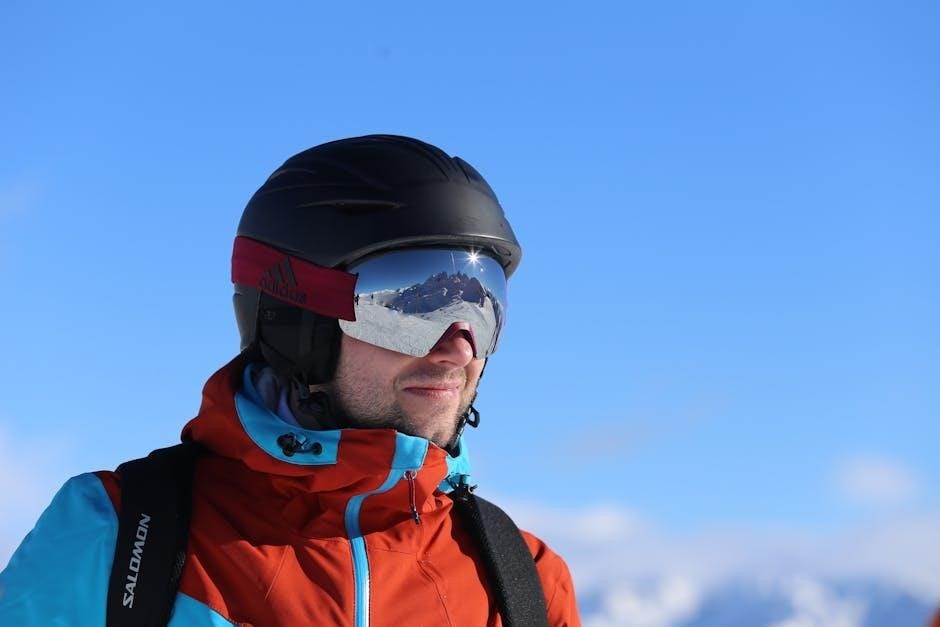
Rose and pink tinted lenses are versatile options‚ offering excellent contrast enhancement in partly cloudy or variable light conditions. They provide a softer visual experience while maintaining sharp details‚ making them favored by intermediate to advanced skiers.
These lenses effectively highlight snow contours and terrain features‚ improving depth perception and allowing for better navigation of the slopes. With a VLT typically ranging from 40-60%‚ they perform well in a wider range of conditions than some other tints.
Rose lenses are known for reducing eye strain and providing comfortable vision‚ even during extended periods on the mountain. They are a solid all-around choice for skiers who encounter changing light throughout the day.
Brown/Copper Lenses
Brown and copper lenses excel in enhancing contrast and depth perception‚ particularly in variable light conditions. They are exceptionally effective at highlighting terrain features‚ making them a popular choice for skiers and snowboarders who enjoy navigating diverse landscapes.
These lenses filter out blue light‚ reducing glare and eye strain‚ while simultaneously boosting visual acuity. They perform well in both sunny and overcast conditions‚ offering a comfortable viewing experience across a broad spectrum of light levels.
With a VLT generally falling between 40-60%‚ brown/copper lenses are a versatile option for all-mountain skiing. They provide a natural color balance and are well-suited for those seeking improved clarity and detail on the slopes.
Gray Lenses
Gray lenses are renowned for their ability to provide true color perception without distortion‚ making them a reliable choice for skiing in a variety of conditions. They reduce overall brightness without significantly altering the natural color balance of the environment‚ offering a comfortable and accurate visual experience.
These lenses excel in bright‚ sunny conditions‚ minimizing glare and eye fatigue. They are particularly beneficial for skiers who prefer a neutral visual environment and want to maintain a realistic view of the terrain.
Typically featuring a VLT ranging from 20-40%‚ gray lenses are a versatile option for sunny days and partially cloudy conditions. They are a solid all-around choice for skiers seeking consistent performance and clarity.
Blue Lenses
Blue lenses are less common in ski goggles‚ but offer a unique visual experience particularly suited for specific conditions. They excel at reducing glare and enhancing contrast in moderately bright conditions‚ providing a comfortable view even on sun-drenched slopes.
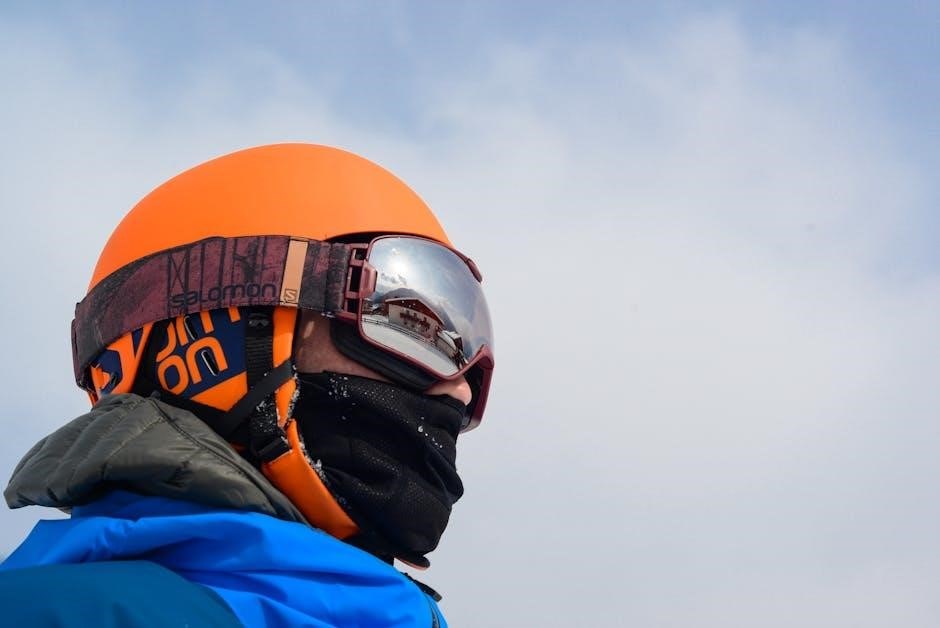
These lenses are known to sharpen vision and improve depth perception‚ which can be advantageous for navigating varied terrain. However‚ they can sometimes distort color perception‚ creating a slightly cooler or bluer hue to the surroundings.
Generally‚ blue lenses fall within a VLT range of 20-40%‚ making them suitable for bright‚ sunny days with moderate glare. They are a good option for skiers who prioritize contrast and clarity‚ but are less concerned with perfectly accurate color representation.
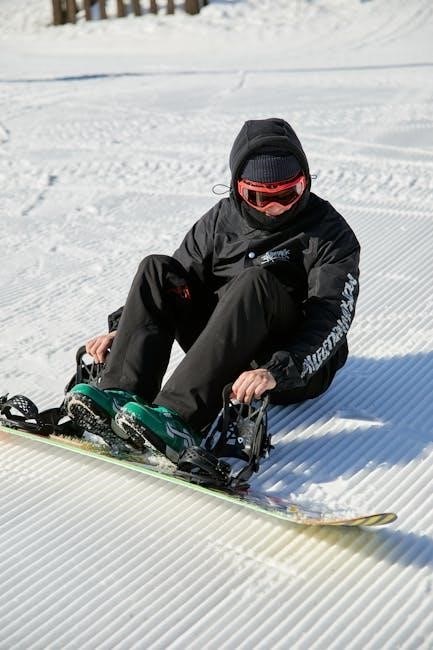
Advanced Lens Technologies
Modern ski goggles feature innovations like photochromic‚ interchangeable‚ and polarized lenses‚ adapting to changing light and enhancing visual clarity on the mountain.
Photochromic Lenses
Photochromic lenses represent a significant advancement in ski goggle technology‚ offering unparalleled versatility for skiers facing unpredictable weather. These lenses dynamically adjust their tint based on the intensity of ultraviolet (UV) light‚ darkening in bright sunlight and becoming clearer in low-light conditions.
This adaptive capability eliminates the need to manually switch lenses throughout the day‚ providing seamless vision across a wide range of environments. Photochromic lenses are particularly beneficial for skiers who encounter changing light conditions frequently‚ such as those skiing through forests or on variable terrain.
Some goggles even combine photochromic lenses with an additional interchangeable lens‚ offering even greater flexibility to cover the full spectrum of light conditions. While convenient‚ it’s important to remember that response times can vary between brands and technologies.
Interchangeable Lenses
Interchangeable lenses provide skiers and snowboarders with the ultimate customization‚ allowing them to adapt their goggles to any weather condition. This system involves goggles designed with a mechanism for quickly and easily swapping lenses‚ offering a practical solution for variable light situations.
Typically‚ a set of interchangeable lenses includes options for bright‚ sunny days (lower VLT)‚ overcast conditions (higher VLT)‚ and potentially a lens for night skiing. This flexibility ensures optimal vision and comfort regardless of the prevailing light. Brands often offer lenses with varying VLT ratings to suit diverse needs.
While requiring a bit more effort than photochromic lenses‚ interchangeable lenses offer a wider range of VLT options and can be more cost-effective in the long run. Careful handling is crucial to avoid scratches and maintain lens clarity.
Polarized Lenses
Polarized lenses in ski goggles significantly reduce glare‚ particularly from reflective surfaces like snow and ice. This is achieved through a special filter that blocks horizontally polarized light‚ enhancing visual clarity and reducing eye strain‚ especially on bright‚ sunny days.
While excellent for minimizing glare‚ polarized lenses can sometimes create visual distortions or affect depth perception‚ particularly in flat light conditions. Some skiers find they struggle to discern icy patches or changes in snow texture with polarized lenses.
Therefore‚ polarized lenses are best suited for skiers who frequently encounter intense glare. They aren’t necessarily essential for all skiers‚ and many prefer the consistent vision offered by non-polarized options. Consider your typical skiing environment when deciding if polarized lenses are right for you.
VLT Ranges and Weather Conditions
Visible Light Transmission (VLT) percentages directly correlate with optimal conditions; lower VLT for bright sun‚ higher VLT for low-light scenarios‚ ensuring clear vision.
VLT 80-100%: Low Light Conditions
Goggles with a VLT ranging from 80-100% are specifically designed for extremely low-light conditions‚ such as heavily overcast days‚ during a blizzard‚ or at dusk. These lenses maximize the amount of light reaching your eyes‚ significantly improving visibility when light is scarce.
Typically‚ clear or lightly tinted lenses fall into this category. They don’t alter colors much‚ providing a natural view‚ which is beneficial when navigating challenging terrain with limited visibility. These lenses are not suitable for bright‚ sunny conditions as they offer no glare protection.
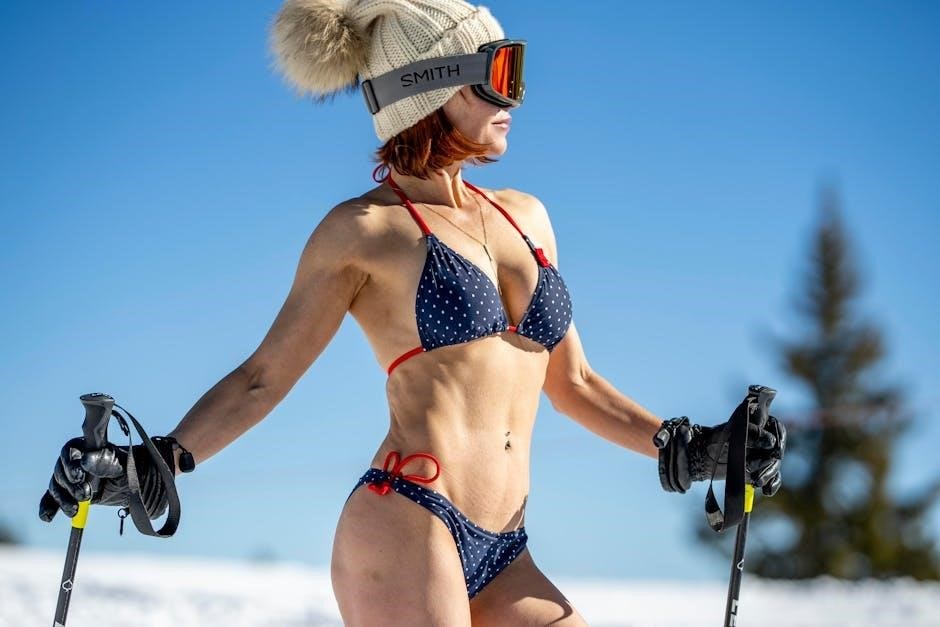
Skiers and snowboarders should consider these lenses for night skiing or when conditions are particularly poor. While they won’t brighten the day‚ they will ensure you can see adequately to stay safe on the slopes. Prioritize safety and visibility when choosing lenses for low-light adventures.
VLT 60-80%: Overcast Days
Ski goggles featuring a VLT of 60-80% are ideal for consistently overcast days‚ or when the weather is cloudy but still relatively bright. These lenses enhance contrast and depth perception‚ making it easier to navigate the slopes even without direct sunlight.
Rose‚ amber‚ and certain shades of brown lenses commonly fall within this VLT range. They brighten the visual field without sacrificing too much clarity‚ offering a comfortable experience in flat light conditions. These tints help to define terrain features and improve visibility in variable light.
Choosing a lens in this range is a versatile option for skiers who encounter frequently changing weather. They provide a good balance between brightness and contrast‚ making them suitable for a wide range of overcast conditions.
VLT 40-60%: Variable Light Conditions
Goggles with a VLT of 40-60% are exceptionally versatile‚ designed for days where the weather shifts frequently between sun and clouds. These lenses excel in variable light‚ adapting well to changing conditions throughout the day on the mountain.
Rose‚ amber‚ and copper lenses are frequently found within this range‚ offering enhanced contrast and improved depth perception. They brighten the visual field while still providing adequate protection from glare when the sun emerges. This makes them a popular choice for all-mountain skiers.
Selecting a lens in this VLT category provides a balanced experience‚ allowing skiers to comfortably navigate both sunny patches and shaded areas. They are a solid choice for those who prefer a single lens solution for unpredictable weather.
VLT 20-40%: Bright‚ Sunny Days
For consistently bright and sunny conditions‚ ski goggles with a VLT between 20-40% are ideal. These lenses significantly reduce glare and eye strain‚ providing comfortable vision in intense sunlight reflected off the snow.
Gray and darker amber lenses are commonly used in this range‚ offering true color perception while minimizing brightness. They are particularly effective at reducing eye fatigue during long days on the slopes. These tints allow skiers to accurately assess terrain features.
Choosing a lower VLT percentage within this range provides even greater protection on exceptionally bright days. These lenses are essential for maintaining clear vision and preventing discomfort when exposed to intense solar radiation.
VLT 8-20%: Very Bright‚ Glare-Intense Days
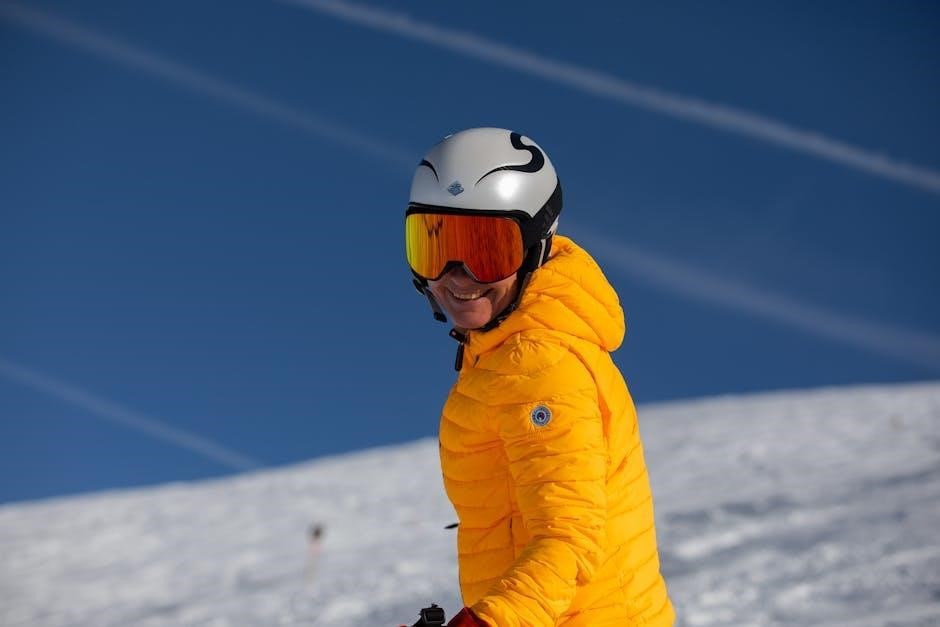
When facing extremely bright‚ glare-intense conditions – think high-altitude skiing or days with fresh‚ reflective snow – lenses with a VLT of 8-20% are crucial. These offer the highest level of sun protection‚ minimizing eye strain and maximizing visual clarity.
Dark gray‚ black‚ or mirrored lenses are typical choices within this range. Mirror coatings further reduce glare by reflecting sunlight away from the eyes. These lenses provide exceptional contrast and depth perception‚ even in the most challenging light.
Selecting a lens at the lower end of this VLT spectrum is recommended for exceptionally bright days or for individuals particularly sensitive to light. Prioritizing eye protection is paramount in these conditions to ensure a safe and enjoyable skiing experience.
Lens Coatings and Their Benefits
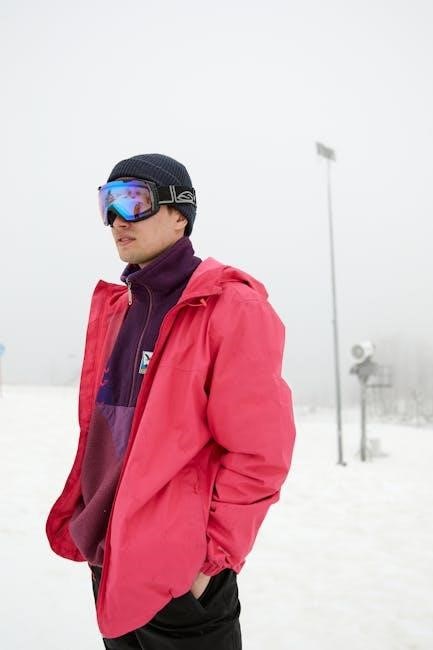
Specialized coatings significantly enhance goggle performance; anti-fog prevents condensation‚ while mirror coatings reduce glare and improve visibility in bright conditions‚
boosting comfort.
Anti-Fog Coatings
Fogging is a common nuisance for skiers and snowboarders‚ drastically reducing visibility and hindering a safe descent. Anti-fog coatings are engineered to combat this issue‚ creating a clear line of sight even with temperature fluctuations and humidity. These coatings work by reducing the surface tension of water molecules‚ preventing them from beading up and obstructing vision.
Different types of anti-fog treatments exist‚ ranging from hydrophilic (water-attracting) to hydrophobic (water-repelling) options. Hydrophilic coatings spread moisture into a thin‚ transparent film‚ while hydrophobic coatings cause water to bead and roll off the lens. Many high-end goggles utilize a combination of both technologies for superior fog resistance. Regular cleaning and proper storage are essential to maintain the effectiveness of these coatings‚ ensuring consistently clear vision throughout your time on the mountain.
Mirror Coatings
Mirror coatings‚ also known as flash coatings‚ aren’t just about aesthetics; they serve a functional purpose alongside enhancing style. These reflective layers are applied to the exterior of the lens‚ reducing glare by bouncing light away from the eyes. This is particularly beneficial on bright‚ sunny days or when skiing in snowy conditions where reflected sunlight can be intense.
The color of the mirror coating doesn’t necessarily dictate the lens’s VLT‚ but it can influence how the base tint is perceived. Mirror coatings come in a wide array of colors‚ from silver and gold to blue and rainbow‚ offering both performance benefits and personalization options. While primarily reducing glare‚ they also offer a degree of protection from harmful UV rays. Properly cared for‚ mirror coatings maintain their reflective properties‚ contributing to enhanced visual clarity and comfort on the slopes.
Choosing the Right Lens for Your Skill Level
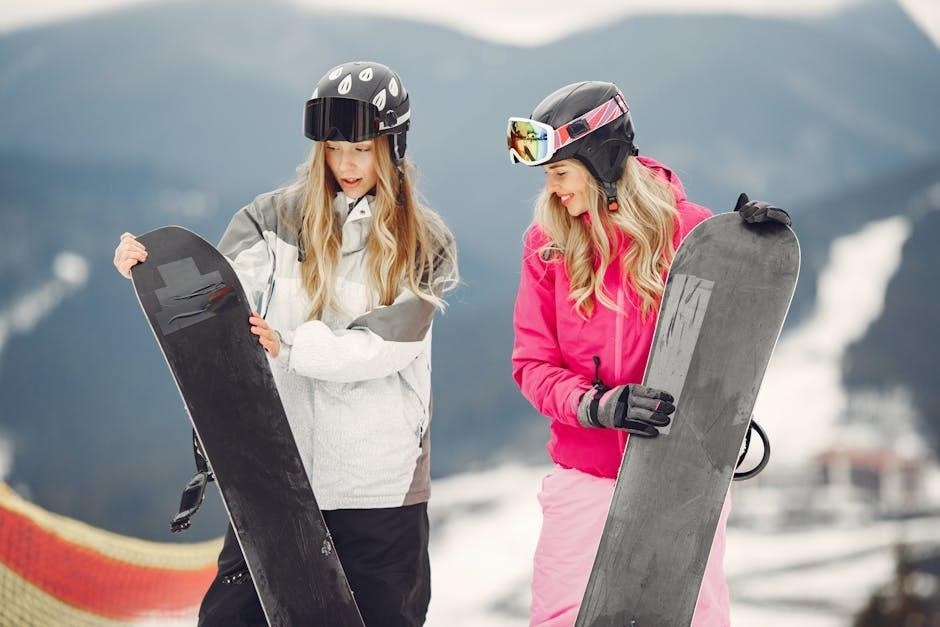
Beginner skiers benefit from versatile lenses‚ while advanced skiers often prefer specialized tints for enhanced contrast and performance in diverse conditions.
Beginner Skiers
For those new to the slopes‚ a versatile lens is paramount. Consider a lens with a VLT in the 60-80% range‚ ideal for overcast or partly cloudy days – conditions frequently encountered. Rose‚ pink‚ or amber lenses are excellent choices‚ providing enhanced contrast and improved depth perception‚ making it easier to navigate varying terrain and snow conditions.
These tints help highlight contours and features‚ boosting confidence and reducing eye strain. Avoid extremely dark lenses initially‚ as they can limit visibility in fluctuating light. A single‚ all-purpose lens will suffice as skills develop‚ offering a balance between clarity and protection. Prioritize comfort and adaptability over specialized performance at this stage‚ allowing for a more enjoyable learning experience.
Intermediate/Advanced Skiers
Experienced skiers and snowboarders benefit from a more tailored approach to lens selection. Having multiple lenses to match varying conditions is highly recommended. Gray lenses (VLT 20-40%) excel in bright‚ sunny conditions‚ reducing overall brightness and glare without distorting colors. For variable light‚ rose or amber lenses (VLT 40-60%) continue to be valuable‚ enhancing contrast and detail.
Consider photochromic lenses for ultimate versatility‚ automatically adjusting to changing light levels. Polarized lenses can further reduce glare‚ particularly on snowy‚ bright days. Advanced skiers might also appreciate lower VLT lenses (8-20%) for exceptionally bright‚ high-altitude conditions. Investing in interchangeable goggles allows for quick adaptation‚ maximizing performance and comfort throughout the day.