
The Book of Adam and Eve: A Comprehensive Overview

Numerous digital versions, including PDFs, are freely available via Internet Archive, Project Gutenberg, and Global Grey eBooks, offering access to Malan’s and Platt’s works;

Today is 04/21/2026 12:59:10 ()
Historical Context & Origins
The Book of Adam and Eve emerges from the rich tapestry of early Eastern Church traditions, specifically drawing heavily from Ethiopic sources․ Its roots are deeply embedded in apocryphal literature, existing outside the canonical biblical texts․ Solomon Caesar Malan’s 1882 translation brought this text to wider attention, building upon earlier scholarship and access to Ethiopic manuscripts․
Interestingly, the work isn’t a single, unified text but rather a compilation influenced by various Eastern works like the Kufale, Talmud, and Midrashim․ Rutherford H․ Platt’s later retelling, appearing in the late 19th century, further popularized the narrative, offering a devotional reimagining of Adam and Eve’s post-Eden life․ Digital accessibility, through platforms like Internet Archive and Project Gutenberg, now allows widespread study of these historical iterations․
Early Church Texts & Ethiopic Translations
The Book of Adam and Eve’s origins lie within the early Eastern Church, evidenced by its initial preservation in Ethiopic manuscripts․ These texts represent a significant body of apocryphal literature, circulating outside mainstream biblical canon․ Solomon Caesar Malan’s work in 1882 was pivotal, directly translating from these Ethiopic sources, making the narrative accessible to a broader audience․

The translation process involved careful consideration of supplementary materials, including the Kufale, Talmudic interpretations, and Midrashim, enriching the understanding of the core narrative․ PDF versions available on Internet Archive showcase these early translations․ The Ethiopic texts themselves offer a unique perspective on the Adam and Eve story, diverging from traditional interpretations and highlighting themes of repentance and divine interaction․
Solomon Caesar Malan’s Translation (1882)
Solomon Caesar Malan’s 1882 translation is a cornerstone for accessing the Book of Adam and Eve, directly sourced from Ethiopic manuscripts․ His work isn’t merely a translation; it’s accompanied by extensive notes drawing from the Kufale, Talmud, and Midrashim, providing crucial contextual understanding․ The Internet Archive hosts a freely downloadable version of Malan’s translation, offering researchers and readers direct access to this pivotal text․
Notably, the Internet Archive’s record indicates a stated date of 1882 and a lack of visible copyright notice, confirming its public domain status․ PDF access through the Internet Archive and PDFy mirrors ensures preservation and widespread availability․ Malan’s translation remains a foundational resource for studying this apocryphal narrative, bridging Eastern Church traditions with Western scholarship․
Rutherford H․ Platt’s Retelling (Late 19th Century)
Rutherford H․ Platt’s “The First Book of Adam and Eve,” penned in the late 19th century, presents a unique retelling of the post-Edenic narrative․ Unlike a direct translation, Platt offers a devotional and vividly detailed reimagining of Adam and Eve’s life after expulsion․ This version emphasizes their struggles, temptations, and prophetic visions, creating a haunting and emotionally resonant experience for the reader․
Global Grey eBooks provides free access to Platt’s work in PDF, EPUB, and Kindle formats, requiring no registration․ Project Gutenberg also hosts a digital edition, further expanding accessibility․ Platt’s retelling stands as a significant interpretation, offering a distinct perspective on this apocryphal text, readily available as a downloadable PDF․
Content & Narrative Structure
Digital copies detail Adam and Eve’s exile, temptation, and prophecies, offering a reimagined narrative structure accessible through readily available PDF downloads online․
The Fall and Expulsion from Eden
The readily available PDF versions of “The Book of Adam and Eve,” whether Malan’s translation or Platt’s retelling, vividly depict the pivotal moment of the Fall․ These texts expand upon the biblical account, detailing the serpent’s deception and the subsequent consumption of the forbidden fruit․
Notably, the narratives emphasize the immediate consequences – shame, awareness of nakedness, and the dawning realization of their disobedience․ The expulsion from Eden is portrayed not merely as a removal from a pleasant garden, but as a descent into a harsh and unforgiving world filled with struggle and hardship․
These digital editions allow readers to explore the emotional and spiritual turmoil experienced by Adam and Eve as they confront their new reality, offering a devotional depth not always present in more concise summaries․ The PDFs provide access to a haunting and detailed reimagining of this foundational biblical event․
Life After Eden: Struggles and Hardships
The accessible PDF versions of both Malan’s and Platt’s “The Book of Adam and Eve” extensively detail the arduous existence faced by the first humans post-expulsion․ These texts move beyond the initial Fall, illustrating a life characterized by relentless toil, physical suffering, and the constant threat of mortality․
Readers can explore accounts of Adam’s backbreaking labor to cultivate the land and Eve’s painful childbirth, highlighting the consequences of their disobedience․ The narratives emphasize the harsh realities of a world now corrupted by sin, a stark contrast to the idyllic paradise they once knew․
Through these readily available digital editions, the struggles are presented with vivid detail and devotional depth, offering a poignant exploration of human suffering and the challenges of survival in a fallen world․
Adam and Eve’s Repentance and Prayers
The digital copies of “The Book of Adam and Eve,” available as PDFs through sources like Internet Archive and Global Grey, reveal a significant focus on the couple’s profound remorse and fervent appeals to God for forgiveness․ These texts depict Adam and Eve not as simply defiant figures, but as individuals deeply burdened by their transgression․
Malan’s translation and Platt’s retelling both emphasize the couple’s heartfelt prayers, lamentations, and expressions of sorrow․ They actively seek divine mercy, acknowledging their sin and pleading for a path towards redemption;
These readily accessible versions showcase the depth of their spiritual struggle and their unwavering hope for reconciliation with God, offering a compelling portrayal of repentance and faith․
The Role of Satan as Antagonist
Digital editions of “The Book of Adam and Eve,” easily found as PDFs on platforms like Internet Archive, consistently portray Satan as a central, malevolent force actively working against humanity’s well-being․ Both Malan’s translation and Platt’s retelling depict him not merely as a tempter, but as a relentless adversary․

These versions detail Satan’s cunning strategies, his constant attempts to undermine Adam and Eve’s faith, and his delight in their suffering․ He is presented as the source of all hardship and a persistent threat to their spiritual progress․
The readily available texts emphasize Satan’s role as the ultimate antagonist, driving the narrative’s conflict and highlighting the ongoing battle between good and evil․
Prophecies and Foreshadowing of Christ
Accessible through PDF downloads on Internet Archive and other digital libraries, “The Book of Adam and Eve” contains striking prophecies interpreted by many as foreshadowing the coming of Christ․ Both Malan’s translation and Platt’s retelling include narratives where divine promises of redemption are offered to Adam and Eve․
These accounts detail visions and pronouncements hinting at a future savior who will conquer sin and death, offering hope amidst their exile․ The texts suggest that even in their fallen state, Adam and Eve possessed a glimmer of understanding regarding God’s ultimate plan․
The readily available digital versions emphasize these prophetic elements, positioning the narrative as a precursor to the Christian gospel․
Different Versions & Authors
Malan’s 1882 translation and Platt’s late 19th-century retelling, both available as PDFs, offer distinct interpretations of the Ethiopic text’s narrative and style․
Comparing Malan’s and Platt’s Interpretations
Both Solomon Caesar Malan’s translation from the Ethiopic and Rutherford H․ Platt’s retelling present the story of Adam and Eve post-Eden, yet diverge in approach․ Malan, working directly with ancient texts like the Kufale, Talmud, and Midrashim, provides a heavily annotated, scholarly rendition, accessible as a PDF on Internet Archive․
Platt’s version, available through Project Gutenberg and Global Grey eBooks in PDF, EPUB, and Kindle formats, is a more literary and devotional reimagining․ He focuses on the emotional and spiritual struggles of the exiled couple, crafting a narrative with vivid detail․ While Malan prioritizes textual fidelity and historical context, Platt emphasizes the narrative’s evocative power and prophetic elements․
Essentially, Malan offers a window into the source materials, while Platt delivers a polished, accessible story․ Both versions, readily available as downloadable PDFs, contribute to a fuller understanding of this fascinating apocryphal text․
Apocryphal Nature of the Texts
The Book of Adam and Eve exists outside the canonical biblical texts, classifying it as apocryphal․ Neither Malan’s translation, sourced from Ethiopic manuscripts and available as a PDF, nor Platt’s retelling, offered in PDF, EPUB, and Kindle via Global Grey and Project Gutenberg, is considered scripture by mainstream denominations․
However, its enduring appeal lies in its expansion of the Genesis narrative, exploring Adam and Eve’s life after expulsion․ The text, often drawing from Eastern works like the Kufale, Talmud, and Midrashim, provides unique theological perspectives․ Its availability as a free PDF download on Internet Archive fuels continued scholarly and devotional interest․
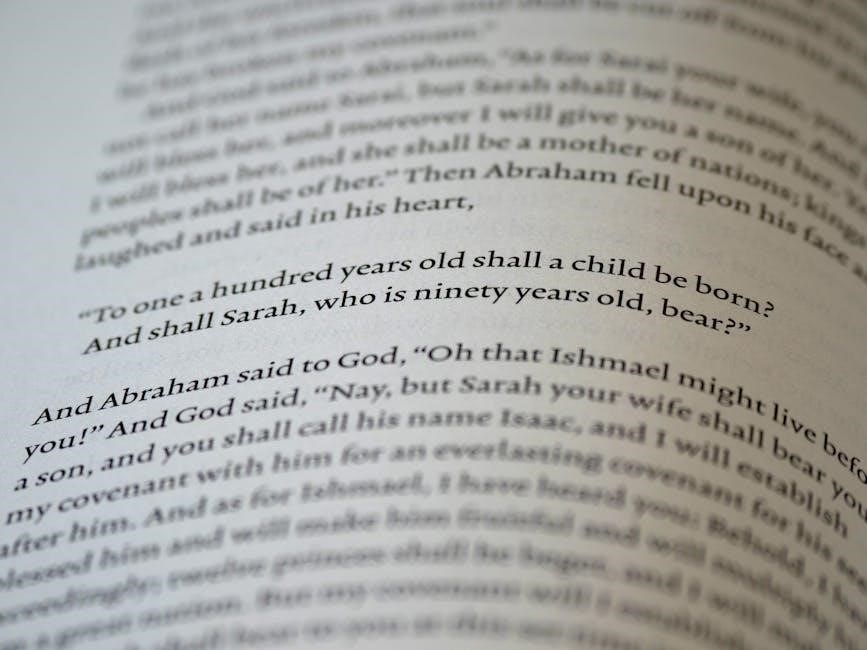
Despite its non-canonical status, the book offers valuable insight into early Christian and Jewish thought, demonstrating a rich tradition of expanding upon foundational stories․
Influence of Eastern Works (Kufale, Talmud, Midrashim)
Solomon Caesar Malan’s 1882 translation, accessible as a PDF on Internet Archive, explicitly incorporates insights from the Kufale, Talmud, and Midrashim․ These Eastern works profoundly shaped the narrative, enriching the story of Adam and Eve beyond the Genesis account․ Platt’s retelling, available in various digital formats including PDF from Global Grey and Project Gutenberg, likely draws upon similar traditions, though less directly acknowledged․
These sources provide context for the book’s expanded cosmology, detailed descriptions of angelic and demonic encounters, and unique theological interpretations․ The PDF versions available allow researchers to trace these influences, revealing a complex interplay between Eastern and Western religious thought․
Understanding these influences is crucial for interpreting the book’s symbolism and its place within the broader landscape of apocryphal literature․
Variations in Narrative Details

Comparing the PDF versions of Malan’s translation (Internet Archive) and Platt’s retelling (Global Grey, Project Gutenberg) reveals significant narrative variations․ While both recount Adam and Eve’s life post-Eden, Platt’s work is described as a “haunting apocryphal narrative” with “vivid detail,” suggesting a more embellished approach․ Malan’s translation, rooted in Ethiopic texts and Eastern works, maintains a different stylistic and theological emphasis․
These differences extend to the portrayal of Satan, the specifics of their struggles, and the nature of their repentance․ Accessing both PDFs allows for a direct comparison of these details, highlighting the interpretive freedom inherent in apocryphal texts․
The availability of these digital editions facilitates a nuanced understanding of the story’s evolution and adaptation․
Availability & Access
Digital copies of “The Book of Adam and Eve” in PDF, EPUB, and Kindle formats are readily accessible through Internet Archive and Global Grey․
PDF Availability on Internet Archive
The Internet Archive hosts multiple PDF versions of “The Book of Adam and Eve,” facilitating widespread access to this ancient text․ Solomon Caesar Malan’s 1882 translation, complete with notes drawn from the Kufale, Talmud, and Midrashim, is available for free download, borrowing, and streaming․
Evidence reported on August 30, 2007, indicates no visible copyright notice for this edition, with the stated publication date being 1882․ A mirrored PDF, originally named “The First Book Of Adam And Eve․pdf,” is also accessible through PDFy, offering another avenue for retrieval․
These digital resources ensure the preservation and accessibility of this important work, allowing researchers and interested readers to explore its narratives and theological implications with ease․ The Internet Archive’s platform provides a valuable service in democratizing access to historical and religious texts․
Project Gutenberg’s Digital Edition
Project Gutenberg offers “The First Book of Adam and Eve” by Rutherford Hayes Platt as a freely downloadable ebook in various formats, including PDF, EPUB, and Kindle․ This edition represents a retelling of the post-Edenic story of Adam and Eve, likely penned in the late 19th century, providing a unique narrative perspective․
The text is described as a haunting, apocryphal reimagining of Adam and Eve’s life after their expulsion, characterized by vivid detail and devotional depth․ Notably, no registration is required to access and download this digital edition, further enhancing its accessibility․
This offering from Project Gutenberg contributes to the preservation and dissemination of this lesser-known work, allowing readers to engage with its compelling narrative and explore its theological themes without barriers․
Global Grey eBook Downloads (EPUB, Kindle)
Global Grey provides a convenient avenue for accessing “The First Book of Adam and Eve” by Rutherford H․ Platt in multiple eBook formats – PDF, EPUB, and Kindle․ This allows readers to choose their preferred reading method, enhancing accessibility and convenience․
The description highlights the book as a captivating, apocryphal narrative that vividly reimagines the lives of Adam and Eve following their exile from Eden, imbued with both detail and devotional resonance․ A key benefit is the absence of any registration requirements for downloading․
This platform facilitates easy access to this unique retelling, enabling exploration of its themes of temptation, prophecy, and the human condition, making it readily available to a broad audience․
PDFy Mirror and File Details
A public document, “The First Book Of Adam And Eve․pdf”, has been automatically mirrored from PDFy, ensuring its preservation and wider availability․ This mirror provides an alternative access point to the text, safeguarding against potential link rot or website downtime․
The original filename remains “The First Book Of Adam And Eve․pdf”, maintaining file integrity and clarity․ The URL for direct access is https://pdf․yt/d/iTrm0sp4sTS22Xr4, offering a stable link for retrieval․
The upload details indicate a commitment to open access, allowing anyone to download, borrow, and stream this historical text․ PDFy’s mirroring service contributes to the long-term accessibility of valuable digital resources․
Themes & Interpretations
PDF access facilitates exploring themes of sin, redemption, suffering, faith, and the human-divine relationship within the narrative, as presented in various editions․
The Nature of Sin and Redemption
The readily available PDF versions of “The Book of Adam and Eve,” through platforms like Internet Archive and Global Grey, allow for detailed examination of its portrayal of sin’s origins․ The texts depict the fall not merely as disobedience, but as a pivotal event initiating hardship and suffering for humanity․
However, these digital resources also reveal a strong emphasis on repentance and the possibility of divine forgiveness․ Adam and Eve’s prayers and struggles after expulsion demonstrate a yearning for reconciliation with God․ The narrative foreshadows Christ, hinting at a future redemption for humankind, offering a path beyond the consequences of their actions․
Accessing these texts in PDF format enables scholars and readers to independently analyze the nuanced depiction of sin and the hopeful message of potential redemption woven throughout the story․
Human Suffering and Divine Providence
The accessible PDF copies of “The Book of Adam and Eve,” found on Internet Archive and through Project Gutenberg, vividly illustrate the profound suffering experienced by humanity after the fall from Eden․ The narrative details the hardships, struggles, and emotional turmoil faced by Adam and Eve in their post-Eden existence․
Despite this depiction of suffering, the texts also suggest a belief in divine providence․ The story implies that even within hardship, God’s plan unfolds, offering opportunities for growth, repentance, and ultimately, redemption․ The availability of these PDF versions allows readers to explore this complex interplay between suffering and divine purpose․
Furthermore, the texts hint at prophecies foreshadowing Christ, suggesting a divine plan to alleviate human suffering and restore the relationship between God and humanity;
The Importance of Faith and Perseverance
Accessing the PDF versions of “The Book of Adam and Eve” – readily available on platforms like Internet Archive, Global Grey, and Project Gutenberg – reveals a central theme: the necessity of faith amidst adversity․ Adam and Eve’s post-Eden life is marked by relentless challenges, demanding unwavering belief in a higher power․
The narrative emphasizes their perseverance through hardship, demonstrating the strength required to maintain faith when confronted with suffering and temptation․ Platt’s retelling, in particular, highlights the devotional depth of their struggle․
These digital editions allow modern readers to contemplate the enduring relevance of faith and perseverance, offering a poignant exploration of the human spirit’s capacity to endure․
The Relationship Between Humanity and God
Digital access to “The Book of Adam and Eve” – through PDFs on Internet Archive, Project Gutenberg, and Global Grey – illuminates the evolving dynamic between humanity and the divine․ The texts depict a fractured relationship post-expulsion, yet one not entirely devoid of hope or communication․
Malan’s translation, alongside Platt’s retelling, portrays Adam and Eve’s persistent prayers and repentance as attempts to re-establish connection with God․ Their struggles showcase a yearning for reconciliation and divine providence amidst suffering․
These readily available editions allow readers to explore the complexities of this relationship, questioning themes of forgiveness, divine justice, and the enduring bond between creator and creation․
Scholarly Analysis & Criticism
Accessible PDF versions facilitate research into dating, authorship, literary influences, and theological significance of these texts, prompting ongoing debates among scholars․
Dating and Authorship Debates
Determining precise dates and identifying the original authors of “The Book of Adam and Eve” remains a complex scholarly challenge․ Malan’s 1882 translation, sourced from Ethiopic texts, provides a key access point, yet the underlying origins are older․
PDF availability of both Malan’s work and Platt’s retelling (late 19th century) allows researchers to compare interpretations and trace textual evolution․ However, the texts’ apocryphal nature and reliance on Eastern sources – Kufale, Talmud, Midrashim – complicate establishing a definitive timeline․

Scholars debate whether these are original compositions or compilations of existing traditions․ The Internet Archive’s digitized copies, including the PDFy mirror, are crucial for analyzing variations and assessing the influence of different sources on the narrative’s development and subsequent interpretations․
Literary Style and Influences

“The Book of Adam and Eve” exhibits a distinctive literary style, blending narrative storytelling with devotional and prophetic elements․ Platt’s retelling, accessible in PDF format via Project Gutenberg and Global Grey, leans towards a haunting, reimagined narrative․
Malan’s translation, derived from Ethiopic sources, reflects the influence of Eastern theological traditions, drawing from Kufale, Talmud, and Midrashim․ The readily available PDFs on Internet Archive allow comparative analysis of stylistic differences between the two versions․
The texts’ structure and themes demonstrate a clear engagement with existing biblical narratives, expanding upon the story of the Fall and exploring themes of sin, redemption, and divine providence․ These digital resources are invaluable for tracing these literary connections․
Theological Significance of the Texts
“The Book of Adam and Eve” holds considerable theological weight, expanding upon traditional interpretations of the Fall and its consequences․ Accessible PDFs from sources like Internet Archive and Project Gutenberg reveal explorations of sin, repentance, and the enduring relationship between humanity and God․
The texts’ portrayal of Satan as an antagonist and the inclusion of prophecies foreshadowing Christ add layers of theological depth․ Malan’s translation, rooted in Ethiopic traditions, offers a unique perspective on these themes, readily available for study․
Platt’s retelling, also in PDF format, emphasizes devotional aspects, highlighting human suffering and divine providence․ These digital resources facilitate a nuanced understanding of the texts’ theological contributions․
Historical Accuracy and Contextualization
Assessing the historical accuracy of “The Book of Adam and Eve” requires contextualizing it within early Eastern Church traditions and its Ethiopic origins․ Digital PDFs, easily accessed via Internet Archive and Project Gutenberg, allow scholars to examine Malan’s 1882 translation and Platt’s later retelling․
The texts’ reliance on Kufale, Talmud, and Midrashim suggests a synthesis of diverse sources, impacting their historical grounding․ Understanding this intertextuality is crucial for interpretation․
While not considered canonical, these apocryphal narratives offer insights into the theological and cultural milieu of their time․ PDF availability facilitates comparative analysis and contextual research․
Copyright & Usage Rights
Malan’s 1882 translation is in the public domain, as noted on Internet Archive; modern editions may have copyright considerations for usage and distribution․
Public Domain Status (Malan’s Translation)
Solomon Caesar Malan’s 1882 translation of The Book of Adam and Eve, sourced from Ethiopic texts, enjoys public domain status․ This is explicitly reported on the Internet Archive, with evidence documented by alyson-wieczorek on August 30, 2007․ The archive notes “no visible notice of copyright” and confirms the publication date as 1882, firmly placing it outside current copyright restrictions․
Consequently, this version is freely available for download, borrowing, streaming, and reuse without permission․ Users can access it through the Internet Archive, utilizing PDFy mirrors for convenient access․ This open access allows for educational purposes, scholarly research, and personal enjoyment without legal constraints․ The public domain designation encourages wider dissemination and study of this fascinating early church text․
Copyright Considerations for Modern Editions
While Solomon Caesar Malan’s 1882 translation is in the public domain, modern editions or retellings, like Rutherford H․ Platt’s The First Book of Adam and Eve, may still be protected by copyright․ Platt’s work, a late 19th-century reimagining, is available through Project Gutenberg and Global Grey eBooks, but users should verify the specific copyright status of each digital edition․
Derivative works, including new translations, annotations, or critical analyses, will also be subject to copyright․ Utilizing these materials for commercial purposes or extensive distribution may require obtaining permission from the copyright holder․ However, fair use provisions allow for limited use for educational purposes, criticism, or research, provided proper attribution is given․ Always check the licensing terms before utilizing any modern adaptation․
Fair Use and Educational Purposes
The public domain status of Malan’s translation facilitates its use in educational settings without copyright restrictions․ Both Malan’s and Platt’s versions, accessible via Internet Archive, Project Gutenberg, and Global Grey eBooks, can be utilized for scholarly study and classroom instruction․ However, even with public domain texts, proper attribution is crucial․
Fair use allows for quoting excerpts, paraphrasing, or incorporating portions of copyrighted modern editions for criticism, commentary, or research․ Educators can freely share these texts with students for academic purposes, but large-scale distribution or commercial use remains prohibited․ Utilizing PDFs for non-profit educational endeavors generally falls under fair use guidelines, promoting access to this historical and theological work․
Accessibility and Open Access Initiatives
The widespread availability of “The Book of Adam and Eve” in digital formats – specifically PDFs, EPUB, and Kindle – through platforms like Internet Archive, Project Gutenberg, and Global Grey eBooks, exemplifies open access principles․ These initiatives ensure the text is freely accessible to a global audience, removing financial and geographical barriers to research and study․
PDFy mirrors further enhance accessibility, providing redundant copies and ensuring long-term preservation․ The ease of downloading and sharing these files promotes wider engagement with this apocryphal narrative․ These platforms champion the democratization of knowledge, allowing anyone with internet access to explore this fascinating work of early Eastern Church literature and its various translations․