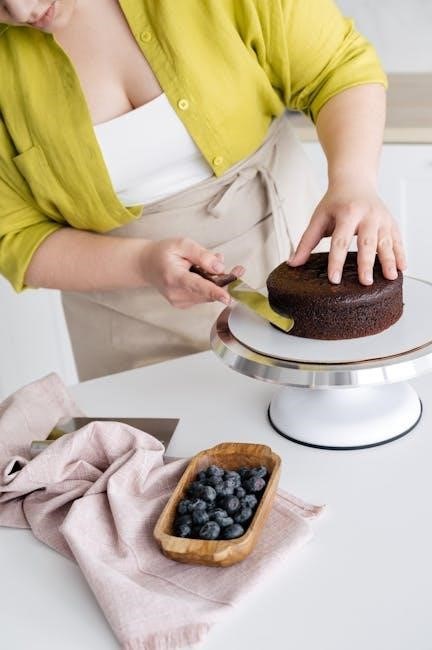
Cutting guide cakes transform ordinary desserts into personalized masterpieces, utilizing templates and precise techniques for stunning shapes and designs.
Food Network offers diverse cake recipes, from classic vanilla to rich chocolate, providing excellent bases for creative cutting endeavors.
These cakes elevate celebrations, offering a unique touch for birthdays, weddings, and all special occasions with intricate detailing.
What are Cutting Guide Cakes?
Cutting guide cakes are baked goods meticulously shaped using templates or freehand techniques to achieve precise designs. Unlike traditional cakes, they go beyond simple frosting and decorations.
These cakes, as highlighted by Food Network’s diverse recipes, serve as a canvas for creating personalized forms – numbers, letters, or complex geometric patterns.
Essentially, they are about transforming a standard cake into a visually striking centerpiece, often seen in celebratory events, demanding skill and precision in execution.
The History and Popularity of Cutting Guide Cakes
Cutting guide cakes, while seemingly modern, build upon centuries of cake decorating traditions focused on presentation. The rise in popularity coincides with the demand for personalized celebrations.
Food Network’s emphasis on accessible baking fuels this trend, empowering home bakers to create elaborate designs previously reserved for professionals.
Initially a niche skill, the availability of templates and online tutorials has broadened appeal, making intricate cake shapes increasingly common at events.
Essential Tools for Cutting Guide Cakes
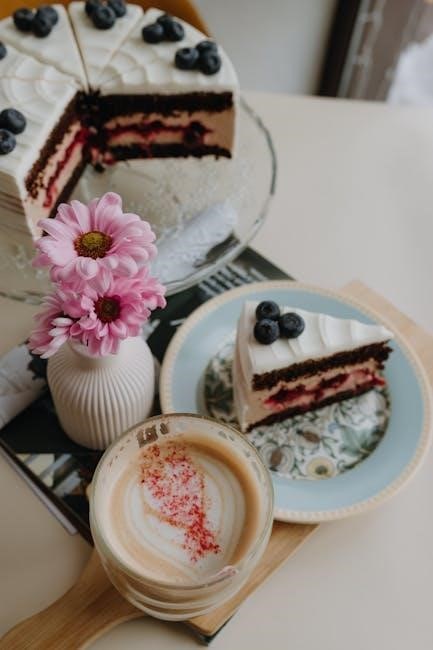
Successful cutting guide cakes require specialized tools: sharp knives, cake levels, and wire cutters are crucial. Templates, both pre-made and DIY, ensure precision.
These tools, combined with patience, unlock the ability to create complex shapes and designs for any occasion.
Cake Cutting Tools: Knives, Wires, and Levels
Sharp, long serrated knives are fundamental for clean cuts through cake layers, while offset spatulas aid in smoothing frosting post-cutting. Cake leveling tools, like adjustable wires, guarantee even layers, essential for stability.
Wire cutters are invaluable for precise shaping, especially with delicate designs. Investing in quality tools ensures professional results and minimizes crumbling. Food Network’s recipes benefit from these tools!
Remember, a dull knife will tear the cake, ruining the intended shape, so sharpness is key.
Templates and Guides: Pre-Made vs. DIY
Pre-made cutting guides offer convenience for common shapes like hearts or stars, streamlining the process for bakers of all skill levels. However, DIY templates, crafted from parchment paper or cardboard, unlock limitless creativity.
Designing custom templates allows for personalized designs, perfectly matching event themes. Utilizing Food Network’s cake recipes with custom shapes elevates presentation.
Consider the complexity of the design when choosing; simpler shapes suit DIY, while intricate ones may benefit from pre-made options.
Basic Cutting Techniques
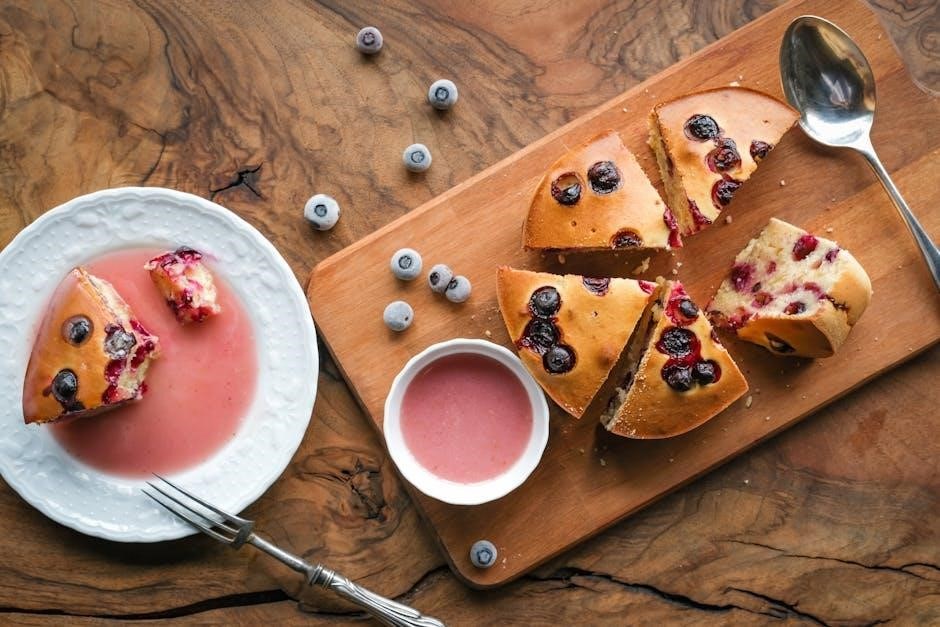
Essential techniques involve stabilizing the cake, using a sharp knife, and following the template closely for clean cuts. Practice makes perfect!
Food Network’s recipes provide a solid base, while careful execution ensures precise shapes and professional-looking results.
Straight Cuts: Achieving Clean Lines
Mastering straight cuts is foundational for utilizing cutting guides effectively. Begin with a chilled, firm cake to minimize crumbling, as highlighted by baking guides.
Employ a long, sharp serrated knife and gently saw through the cake, following the template’s edge. Rotate the cake, not the knife, for consistent results.
Food Network’s recipes, offering stable cake bases, benefit from this technique, ensuring clean edges for layered designs and personalized shapes. Consistent pressure is key!
Curved Cuts: Mastering the Art of Shaping
Achieving graceful curves demands patience and a sharp, flexible knife. Utilize a template as a guide, making small, controlled cuts rather than attempting a single sweep.
Rotating the cake slowly while maintaining consistent contact with the template is crucial. A chilled cake, like those from Food Network recipes, offers better stability.
For intricate curves, consider using a heated knife or dental floss for exceptionally clean lines, minimizing crumbs and preserving the cake’s delicate structure.
Advanced Cutting Techniques
Elevate your skills with geometric precision and custom lettering! These techniques require steady hands, sharp tools, and detailed templates for stunning results.
Food Network’s recipes provide ideal canvases for showcasing intricate designs and personalized touches on any celebratory cake.
Creating Geometric Shapes
Achieving precise geometric forms demands careful planning and execution. Utilize sturdy templates – either pre-made or meticulously crafted – to guide your knife or wire cutter.
Consistent cake density is crucial; a well-baked, firm cake from recipes like those found on Food Network will hold its shape better during intricate cuts.
Consider layering shapes for a 3D effect, and remember to support delicate sections during removal. Practice makes perfect when mastering these angular designs!
Lettering and Number Cutting
Personalized cakes truly shine with lettering and number cutouts! Printable templates are invaluable here; find or create fonts suitable for cake cutting, ensuring clear, defined shapes.
Employ a sharp, thin knife or flexible wire cutter for intricate details. A firm, evenly baked cake – like a classic vanilla base – is essential for clean lines.
Slow, steady pressure prevents crumbling, and chilling the cake briefly beforehand can aid precision. Food Network’s recipes offer excellent starting points!
Cake Designs Utilizing Cutting Guides
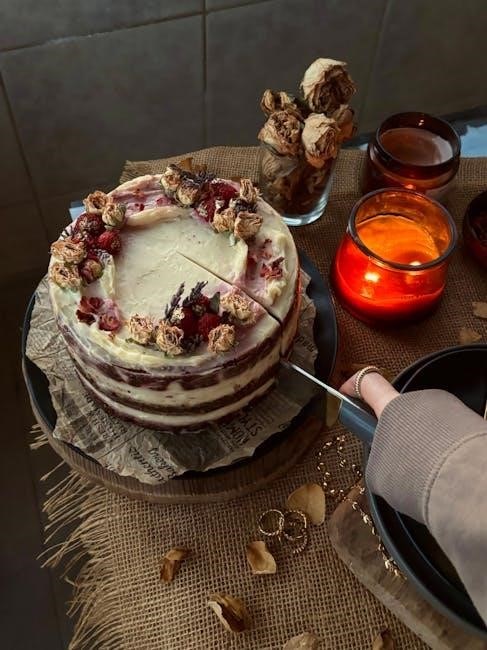
Cutting guides unlock limitless design possibilities! From personalized birthday shapes to intricate wedding patterns, cakes become edible art.
Food Network’s recipes, like Red Velvet or Carrot Cake, provide delicious canvases for these creative, customized cake decorations.
Birthday Cakes with Personalized Shapes
Birthday cakes truly shine with cutting guide techniques! Imagine a cake sculpted into a favorite number, animal, or hobby symbol – a delightful surprise.
Utilizing templates, bakers can achieve clean cuts for character silhouettes or geometric designs, transforming a simple vanilla or chocolate cake (as featured on Food Network) into a memorable centerpiece.
Confetti cakes or classic layered designs gain extra flair with personalized shapes, making the birthday celebration uniquely special and visually stunning.
Wedding Cakes with Intricate Designs
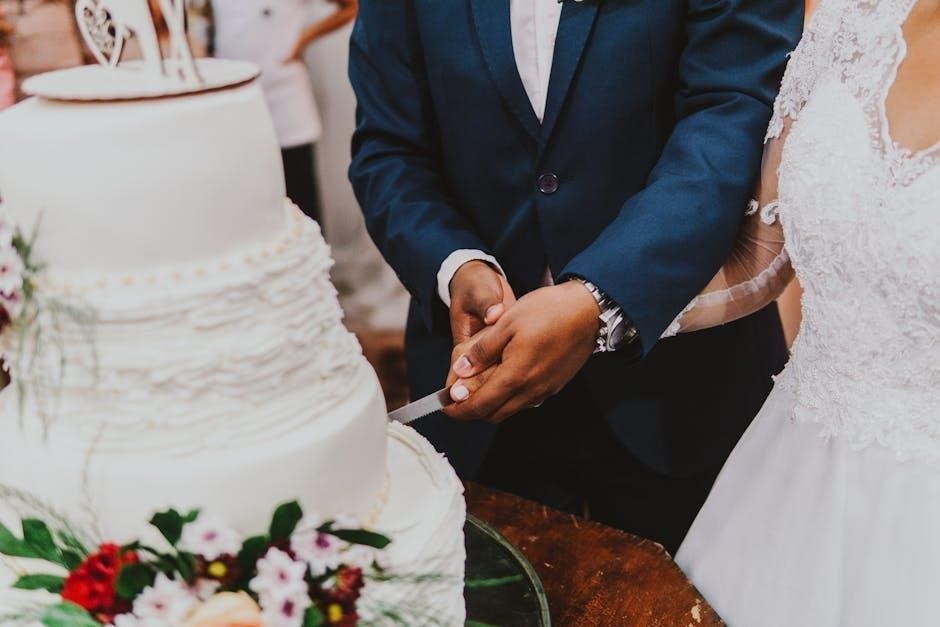
Wedding cakes become breathtaking works of art through the precision of cutting guides. Intricate floral patterns, monograms, or geometric tiers are achievable with careful planning and execution.
Fondant, known for creating sharp edges, pairs perfectly with these techniques, elevating the cake’s elegance. A rich chocolate or classic vanilla base (from sources like Food Network) provides a stable foundation.
These designs symbolize the couple’s unique story, adding a personalized and unforgettable touch to their special day.
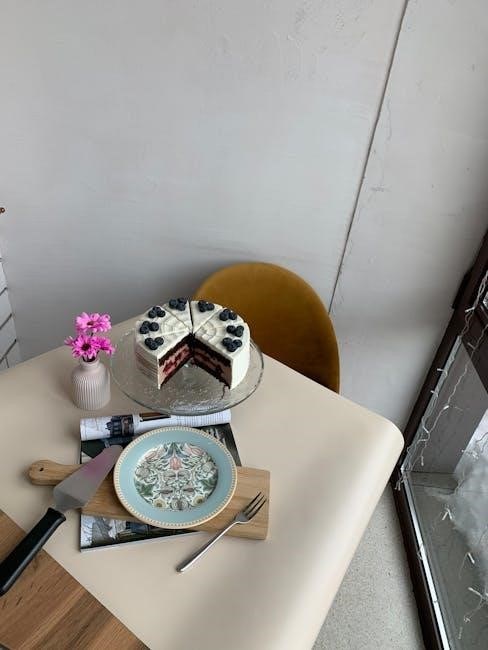
Popular Cake Flavors for Cutting Guides
Vanilla and chocolate cakes are versatile bases for cutting guides, offering excellent texture and flavor. Recipes from Food Network inspire delightful combinations!
Red velvet and carrot cake also provide sturdy foundations for intricate shapes and personalized designs.
Vanilla Cake: A Versatile Base
Vanilla cake stands as a remarkably adaptable choice for cutting guide techniques, offering a neutral flavor profile that complements diverse frostings and decorations.
Food Network’s Basic Vanilla Cake recipe provides a solid foundation, easily yielding two layers perfect for shaping.
Its fine crumb structure holds cuts cleanly, making it ideal for both simple and complex designs. Whether creating geometric patterns or personalized lettering, vanilla cake’s stability ensures beautiful results, allowing creativity to flourish.
Chocolate Cake: Rich and Decadent
Chocolate cake, while intensely flavorful, presents a delightful challenge for cutting guide artistry, offering a rich canvas for stunning designs.
Its moist texture requires careful handling to prevent crumbling, but the results are visually striking.
Food Network’s recipes showcase decadent chocolate options, perfect for bold shapes and intricate details. A slightly chilled cake will hold its form better during cutting, ensuring clean lines and a luxurious final product.
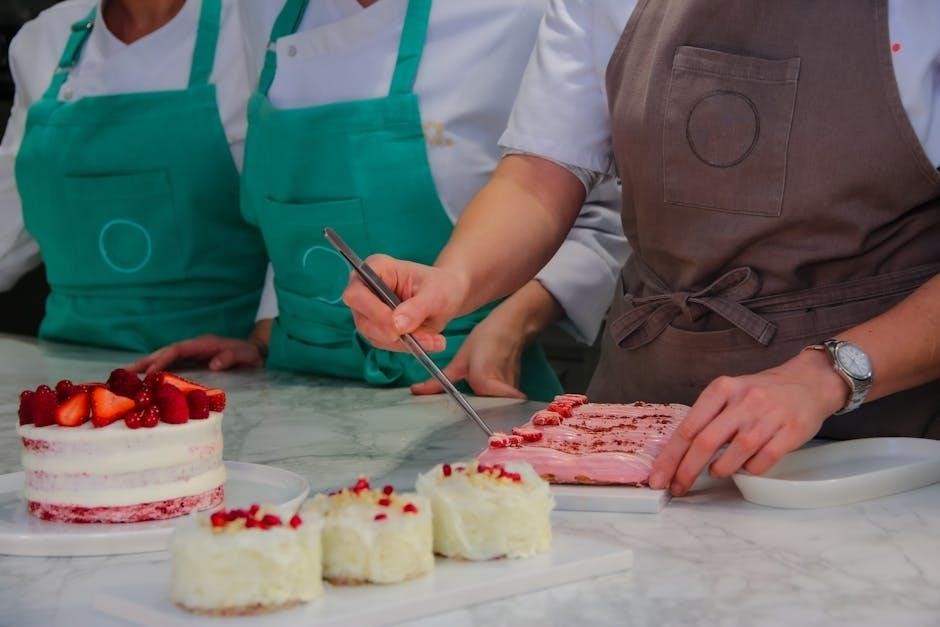
Frosting and Decoration Considerations
Frosting choice impacts cutting guide cake aesthetics; buttercream offers smooth application, while fondant creates sharp edges for defined shapes and intricate designs.
Consider frosting thickness to conceal cut edges and enhance the overall presentation of your cake.
Buttercream Frosting: Smooth Application
Buttercream’s versatility makes it ideal for cutting guide cakes, offering a forgiving texture for covering imperfections and blending cut edges seamlessly.
Achieving a smooth finish requires consistent pressure and a rotating cake stand, as demonstrated by Food Network Kitchen tutorials.
Swooshes of buttercream, as seen in classic cake designs, can elegantly conceal minor inconsistencies resulting from the cutting process, enhancing the final look.
Proper chilling after frosting stabilizes the buttercream, making further decoration easier.
Fondant: Creating Sharp Edges
Fondant excels at achieving the crisp, clean lines essential for intricate cutting guide cake designs, particularly geometric shapes or lettering.
Its smooth, pliable nature allows for precise coverage and definition of cut edges, minimizing crumbling and imperfections.
Properly rolled and applied fondant creates a polished, professional finish, ideal for wedding cakes and designs demanding high precision.
Food Network recipes often showcase fondant’s ability to elevate cake aesthetics.
Troubleshooting Common Cutting Issues
Addressing cake crumbling and uneven layers is crucial for successful cutting guide cakes. Proper chilling and sharp tools minimize issues, ensuring clean results.
Cake Crumbling: Prevention and Solutions
Preventing cake crumbling during cutting is paramount for a polished finish. Thoroughly chilled cakes are significantly firmer and less prone to breakage. Utilize a long, serrated knife with gentle sawing motions, avoiding downward pressure.
If crumbling occurs, lightly press the crumbs back into place with a small offset spatula. A thin layer of frosting can also camouflage minor imperfections, creating a seamless look.
Ensure your cake is structurally sound before attempting intricate cuts.
Uneven Layers: Achieving Consistency
Achieving consistent cake layers is crucial for successful cutting guide work. Employ cake strips wrapped around baking pans to promote even heat distribution, minimizing doming.
After baking and cooling, use a long serrated knife or a cake leveler to trim any unevenness, creating a perfectly flat surface.
Consistent layer height ensures stability and clean cuts when utilizing templates and guides.
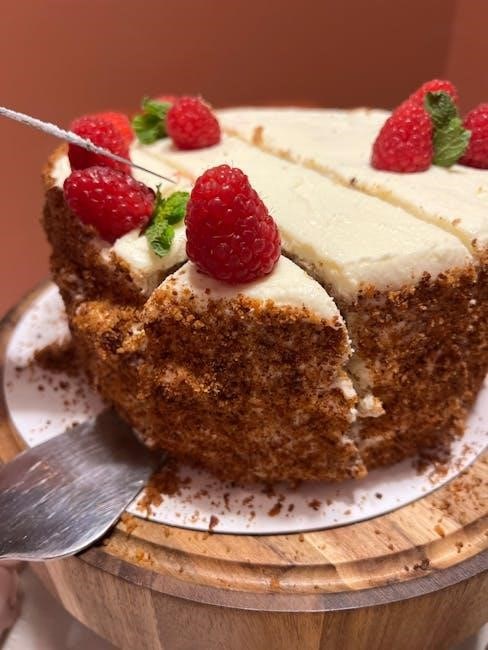
Step-by-Step Guide: Cutting a Simple Shape
Begin with a cooled, frosted cake. Secure your chosen template firmly and, using a sharp knife, carefully trace the shape for a clean cut.
Food Network’s recipes provide ideal cake bases for practicing these fundamental cutting techniques.
Preparing the Cake for Cutting
Before cutting, ensure your cake is thoroughly chilled; this firms the frosting and minimizes crumbling, crucial for clean lines. A smooth buttercream base, as highlighted by Food Network, aids precision.
Remove any decorative elements that might interfere with the template. Leveling the cake layers beforehand guarantees even cuts and a professional finish.
Lightly dust the surface with powdered sugar to prevent sticking, and have a clean workspace ready for optimal results, mirroring baking preparation guides.
Using a Template and Knife
Secure your chosen template firmly onto the chilled cake surface. A sharp, thin-bladed knife is essential for tracing the template’s outline with precision.
Apply gentle, consistent pressure, avoiding sawing motions that cause crumbling. Rotate the cake, not the knife, for smoother curves, as recommended in baking tutorials.
Once outlined, carefully cut through the cake, following the traced lines. Remove excess cake pieces, revealing your desired shape, ready for frosting and decoration.
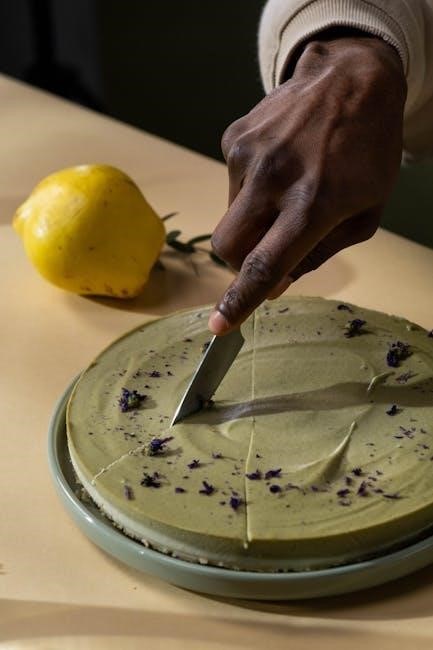
Safety Precautions When Cutting Cakes
Always prioritize safe knife handling, using a sharp blade with controlled pressure. Work cautiously with both hot and cold cakes to prevent accidents.
Maintain focus and a stable workspace for accurate cuts and to avoid slips during the shaping process.
Knife Handling Best Practices
Employ a long, serrated knife for clean cuts through cake layers, minimizing crumbling and ensuring precise shapes. Maintain a firm, yet gentle grip, guiding the blade smoothly.
Always cut away from your body, keeping fingers clear of the blade’s path. Utilize a sawing motion rather than pressing down, especially for delicate cakes. Regularly sharpen your knife for optimal performance and safety, reducing the force needed for each cut.
Clean the knife after each cut to prevent sticking and maintain precision.
Working with Hot or Cold Cakes
Chilled cakes firm up, making cleaner cuts easier, but can be harder to work with; allow a slight thaw for manageability. Warm cakes are softer, increasing crumbling risk, so extra care is needed.
For warm cakes, a heated knife (carefully!) can create smoother slices. Regardless of temperature, ensure the cake is structurally sound before cutting, preventing collapse. Consistent temperature throughout the cake is ideal for uniform results.
Consider frosting a chilled cake for stability.
Resources for Cutting Guide Inspiration
Online tutorials and videos from Food Network Kitchen demonstrate techniques, while cake decorating books and magazines offer diverse design ideas and patterns.
Explore these resources to unlock creativity and master the art of cutting guide cakes for any occasion.
Online Tutorials and Videos
Food Network Kitchen provides step-by-step instructional videos, simplifying complex cutting techniques for all skill levels. These resources demonstrate how to prepare cakes, utilize templates, and achieve clean cuts.
Numerous online platforms showcase diverse cake designs and offer guidance on creating geometric shapes, lettering, and intricate patterns. Explore these visual aids to enhance your cutting skills and inspire unique creations, transforming basic cakes into stunning edible art.
Cake Decorating Books and Magazines
Cake decorating publications often feature detailed guides on shaping and cutting cakes, showcasing innovative designs and techniques. These resources provide in-depth instructions, covering everything from basic shapes to complex geometric patterns.
Explore books dedicated to specific frosting styles and cake construction methods, offering inspiration for utilizing cutting guides effectively. Magazines present current trends and expert tips, enhancing your skills and creativity in the art of cake design.
The Future of Cutting Guide Cakes
Innovations in tools and emerging technologies promise even greater precision and ease in cutting guide cakes, expanding design possibilities and accessibility.
Expect to see more automated systems and advanced templates, revolutionizing cake artistry and personalization for both professionals and home bakers.
Emerging Trends and Technologies
Digital cake design software is gaining traction, allowing bakers to visualize and plan intricate cuts before even touching the cake. 3D-printed templates offer unparalleled customization, moving beyond standard shapes to complex geometries.
Laser cutting technology, while still developing for food applications, presents a future possibility for incredibly precise and detailed designs; Simultaneously, advancements in stabilizing cake structures will support more ambitious, gravity-defying cuts. These trends promise a new era of cake artistry.
Innovations in Cake Cutting Tools
Adjustable cake leveling tools now offer greater precision for achieving perfectly even layers, crucial for multi-tiered designs. Hot-wire foam cutters, adapted for cake, provide exceptionally clean cuts, minimizing crumbling and waste.
Ergonomic knife designs reduce hand fatigue during complex cuts, while specialized sculpting tools aid in detailed shaping. Furthermore, self-sharpening blades maintain optimal performance, ensuring consistently clean lines and professional results for bakers.
Maintaining Freshness After Cutting
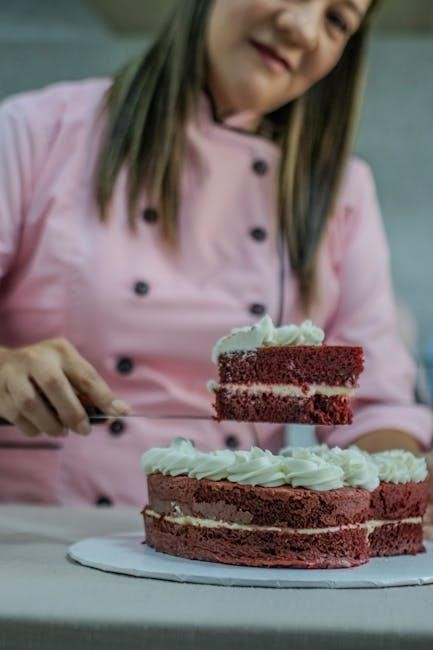
Properly storing cut cakes in airtight containers prevents drying and staleness, preserving flavor and texture. Refrigeration extends freshness, especially for cream cheese frostings.
Proper Storage Techniques
To maintain optimal freshness after cutting a cake, especially those with intricate designs achieved through cutting guides, airtight storage is crucial. Wrap exposed edges with plastic wrap, then place the cake in an airtight container.
Refrigeration is recommended, particularly for cakes with buttercream or cream cheese frosting, extending their lifespan significantly.
Consider freezing individual cut portions for longer-term preservation, ensuring they are well-wrapped to prevent freezer burn and maintain quality.
Preventing Drying and Staling
To combat drying and staling in cut cakes, especially those shaped with precision using cutting guides, moisture retention is key. A simple syrup brushed onto cut edges creates a barrier, locking in moisture.
Properly sealed storage, as previously mentioned, is vital. Avoid refrigerating uncovered cakes, as this accelerates staling.
For longer storage, consider a layer of frosting over cut surfaces before wrapping, further protecting the delicate crumb.