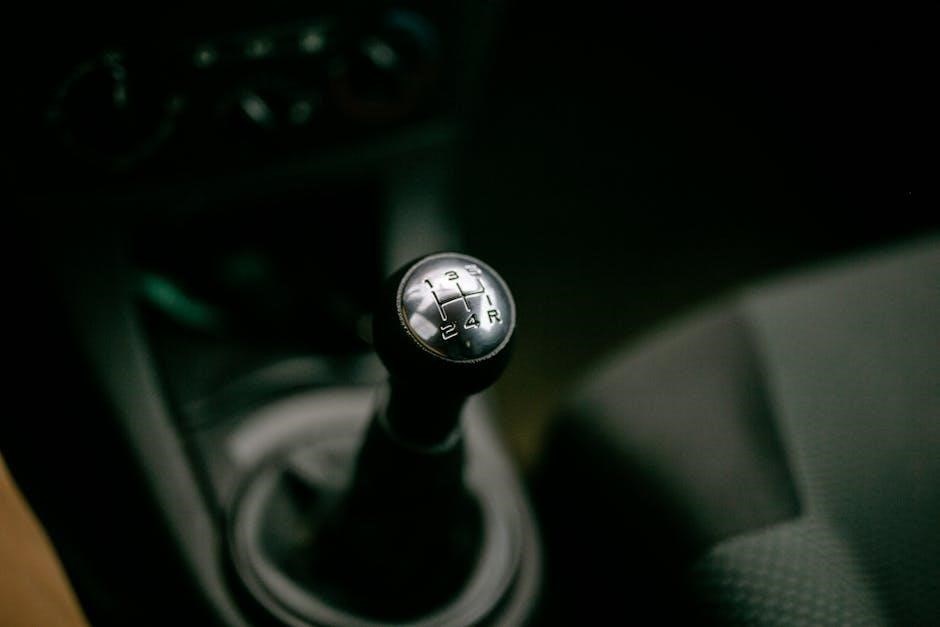
The Honda Prelude’s manual transmission is a beloved feature among driving purists, offering a direct connection between driver and machine․ Its smooth shifting and precise control have made it a favorite for enthusiasts, enhancing the sporty character of the vehicle․ Discussions online highlight the joy of mastering the stick shift, with many owners expressing pride in their ability to handle the gearbox effortlessly․ The manual transmission not only improves performance but also fosters a sense of community among drivers who appreciate the art of driving․
Overview of the Honda Prelude
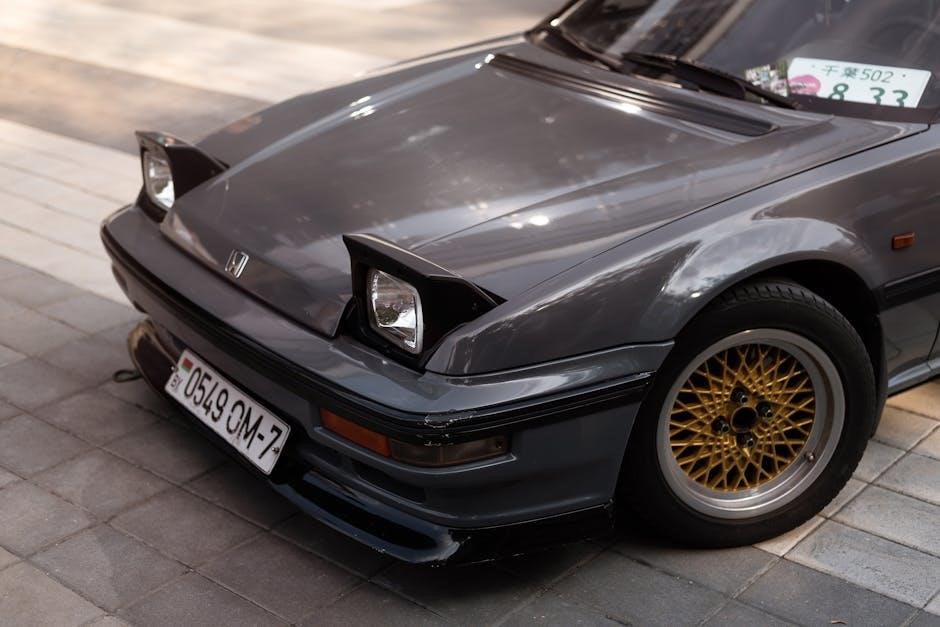
The Honda Prelude is a two-door coupe known for its sporty design and balanced performance․ It combines a sleek, aerodynamic exterior with a comfortable and feature-rich interior․ The Prelude has historically been positioned as a bridge between Honda’s practical models and its high-performance offerings․ Available with both manual and automatic transmissions, the manual version has always been a favorite among driving enthusiasts for its precise control and engaging experience․ The car’s front-wheel-drive layout and responsive handling make it a joy to drive on winding roads․ Over the years, the Prelude has evolved to include advanced features like VTEC technology, offering improved power and efficiency․ Its reputation as a reliable and fun-to-drive vehicle has made it a popular choice among car enthusiasts and collectors alike, fostering a strong sense of community and shared passion among owners․
Importance of Manual Transmission in the Honda Prelude
The manual transmission in the Honda Prelude is a defining feature that enhances the driving experience․ It offers precise control, allowing drivers to fully engage with the vehicle’s performance capabilities․ For enthusiasts, the manual gearbox provides a deeper connection to the car, making every shift a deliberate and satisfying action․ The ability to manually select gears not only improves acceleration and responsiveness but also fosters a sense of mastery and enjoyment behind the wheel․ In a world increasingly dominated by automatics, the Prelude’s manual transmission stands as a testament to the joy of driving, appealing to purists who value the art of shifting gears․ This feature has become a hallmark of the Prelude’s identity, making it a cherished choice among driving enthusiasts․
History of the Honda Prelude
The Honda Prelude debuted in 1978 and was produced until 2001, evolving through five generations․ It became known for its sporty design, balance of performance, and reliability, making it a favorite among driving enthusiasts over the years․
First Generation (1978-1982)
The first generation of the Honda Prelude, introduced in 1978, marked the beginning of a legacy․ It featured a sleek, sporty design with a focus on driving dynamics․ The Prelude was initially offered with a 1․6L or 1․8L engine, paired with a manual transmission, which quickly became a hallmark of the model․ Its lightweight chassis and responsive handling made it a favorite among driving enthusiasts․ The manual transmission allowed for precise control, enhancing the overall driving experience․ This generation laid the foundation for the Prelude’s reputation as a reliable and enjoyable sports coupe․ Its simplicity and focus on driver engagement set it apart from other vehicles in its class during this era․
Second Generation (1982-1987)
The second generation of the Honda Prelude, produced from 1982 to 1987, introduced significant improvements in design and performance․ It featured a more aerodynamic body style with pop-up headlights, enhancing its sporty appeal․ The manual transmission remained a key feature, with a five-speed gearbox offering smooth and precise shifting․ This generation saw the introduction of a 1․8L and later a 2․0L engine, providing increased power while maintaining fuel efficiency․ The interior was updated with improved ergonomics and comfort, making it a practical choice for daily driving․ The manual transmission allowed drivers to fully engage with the vehicle, showcasing Honda’s commitment to creating a driver-focused experience․ This generation also saw the addition of power steering and anti-lock braking systems, making it more accessible to a wider audience while retaining its sporty character․ The second-generation Prelude solidified its reputation as a reliable and enjoyable sports coupe, with a strong emphasis on manual transmission driving․
Third Generation (1987-1991)
The third-generation Honda Prelude, produced from 1987 to 1991, marked a significant evolution in design and performance․ It featured a more angular and aggressive exterior, with improved aerodynamics․ The manual transmission remained a cornerstone, offering a five-speed gearbox that provided smooth and precise shifts․ This generation introduced the option of a 2․0L SOHC and later a 2․1L SOHC engine, delivering enhanced power and efficiency․ The interior was refined, with better materials and ergonomics, making it more comfortable for long drives․ Enthusiasts appreciated the manual transmission for its direct feel, which enhanced the driving experience․ This generation also saw the introduction of optional features like anti-lock brakes and a sport-tuned suspension, further solidifying the Prelude’s reputation as a balanced sports coupe․ The third generation remains a favorite among Honda enthusiasts for its blend of performance and reliability․
Fourth Generation (1991-1996)
The fourth-generation Honda Prelude, produced from 1991 to 1996, introduced a more rounded and aerodynamic design compared to its predecessors․ It featured a 2․2L inline-four engine, paired with a five-speed manual transmission, delivering improved performance and fuel efficiency․ This generation emphasized sportiness, with enhancements like a stiffer suspension and optional limited-slip differential for better handling․ The manual transmission became even more refined, offering smoother shifts and precise control, making it a favorite among driving enthusiasts․ The Prelude also introduced features like a pop-up spoiler and optional anti-lock brakes, further solidifying its reputation as a well-rounded sports coupe․ This generation remains popular for its balance of performance, reliability, and timeless design, making it a sought-after model for Honda enthusiasts and collectors․
Fifth Generation (1996-2001)
The fifth-generation Honda Prelude, produced from 1996 to 2001, marked the final evolution of the model․ It featured a sleek, sporty design with a 2․2L inline-four engine equipped with Honda’s VTEC technology, delivering enhanced performance and efficiency․ The manual transmission remained a five-speed, offering precise control and smooth shifting․ This generation introduced advanced features like an active torque transfer system, which improved cornering by transferring power to the wheel with more grip․ The Prelude also boasted improved fuel economy and a refined interior․ Its combination of power, handling, and reliability solidified its reputation as a driver-focused sports coupe․ This generation is often celebrated for its balance of performance and practicality, making it a timeless classic among Honda enthusiasts and car collectors․
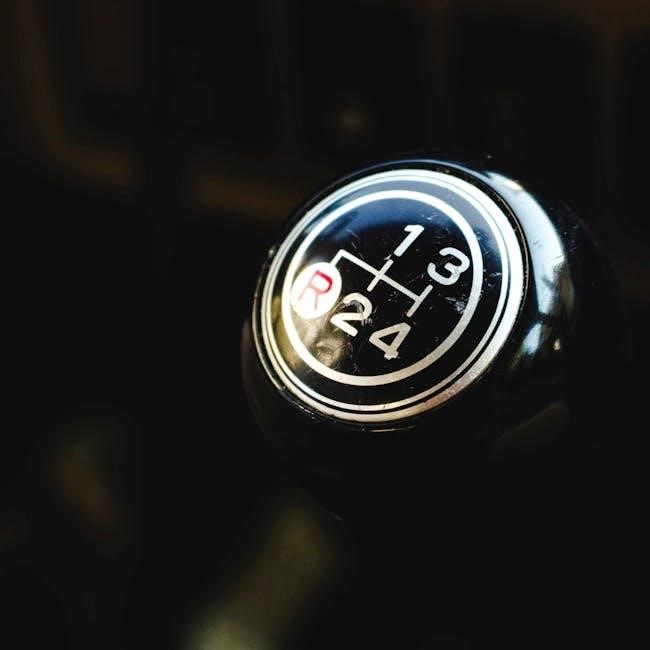
Manual Transmission in the Honda Prelude
The Honda Prelude’s manual transmission is renowned for its smooth, engaging nature, enhancing driving enjoyment with precise control and seamless shifting, perfectly complementing the car’s sporty appeal․
Types of Manual Transmissions in Honda Prelude
The Honda Prelude featured various manual transmissions across its generations, with the 5-speed manual being the most common․ Early models utilized a compact, durable 5-speed gearbox, while later generations introduced a refined 6-speed manual transmission for improved performance and fuel efficiency․ The Type SH model, introduced in the fifth generation, featured a unique dual-mode manual transmission with both manual and automatic modes․ Each transmission type was designed to enhance driving engagement, with smooth shifting and precise control․ These transmissions played a crucial role in the car’s sporty character, making the Prelude a favorite among driving enthusiasts․ The variety of manual options catered to different driver preferences, ensuring a dynamic and responsive experience behind the wheel․
Features of the Manual Transmission System
The Honda Prelude’s manual transmission system was renowned for its smooth, precise shifting and robust construction․ It utilized a 5-speed gearbox in most generations, with later models featuring a refined 6-speed manual transmission․ The system included a synchromesh design, ensuring seamless gear transitions and reducing wear on components․ The transmission also featured a hydraulic clutch system for consistent pedal feel and control․ Reverse gear was typically located on the bottom left, engageable via a detent to prevent accidental shifting․ Additionally, the Prelude’s manual transmission incorporated a cable-operated shift mechanism, providing a direct and responsive connection between the driver and the gearbox․ These features combined to deliver a driving experience that was both engaging and reliable, making the manual transmission a standout aspect of the vehicle․
Driving Experience with Manual Transmission
Driving the Honda Prelude with a manual transmission offers a rewarding and engaging experience․ The smooth, precise shifting and responsive clutch allow drivers to feel deeply connected to the car․ Acceleration is crisp, with the ability to control power delivery through gear selection․ Cornering is enhanced by the manual transmission, as drivers can maintain optimal rev ranges for better stability and traction․ The tactile feedback from the shifter and clutch pedal adds to the driving enjoyment, making every mile a pleasure․ Whether cruising on the highway or navigating winding roads, the manual transmission in the Honda Prelude delivers a sense of control and satisfaction that automatic transmissions often lack․ It’s a driving experience that fosters a strong bond between the driver and the vehicle․
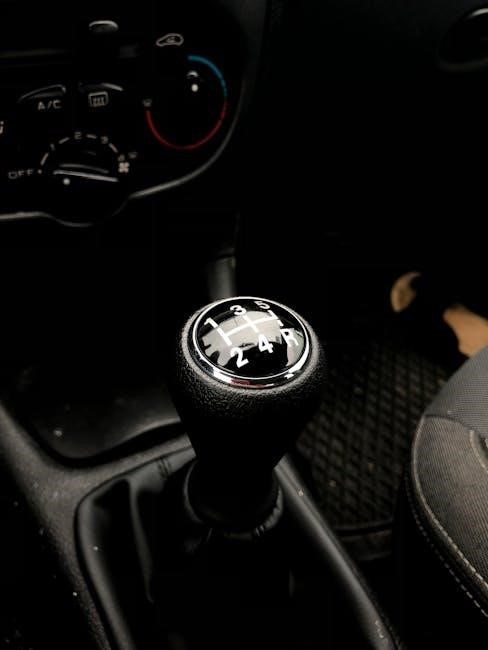
Performance and Handling
The Honda Prelude’s performance and handling deliver a perfect balance of power and agility․ Its responsive steering and manual transmission enhance acceleration and cornering control, ensuring an engaging driving experience․
Acceleration and Speed
The Honda Prelude’s manual transmission contributes significantly to its acceleration and speed, offering precise control over gear shifts; The lightweight design and optimized gearing allow for quick acceleration, making it a joy to drive on both city roads and highways․ The engine’s responsive throttle input ensures smooth power delivery, while the manual transmission’s direct connection enhances the driving experience․ For instance, the fifth-generation Prelude with a VTEC engine could accelerate from 0-60 mph in just over 7 seconds, making it a sporty yet practical choice․ The combination of a powerful engine and a well-tuned manual gearbox delivers exceptional performance, appealing to driving enthusiasts who value both speed and control․ This balance makes the Honda Prelude a standout in its class․
Cornering and Stability
The Honda Prelude’s manual transmission enhances its cornering and stability, offering precise control during sharp turns․ The car’s sport-tuned suspension and well-balanced chassis provide exceptional handling, making it a favorite among driving enthusiasts․ The lightweight design and rear-wheel drive layout contribute to its agility, allowing drivers to navigate corners with confidence․ The manual transmission’s direct gear engagement ensures optimal torque delivery, improving traction and stability during high-speed maneuvers․ Additionally, the Prelude’s advanced double-wishbone suspension minimizes body roll, keeping the car planted on the road․ This combination of mechanical precision and driver engagement creates a responsive and stable driving experience, especially on winding roads or racetracks․
Braking Performance
The Honda Prelude’s braking performance is impressive, thanks to its well-engineered disc brake system․ Equipped with ventilated front and solid rear discs, the car delivers consistent and reliable stopping power․ The ABS (Anti-lock Braking System) in later models enhances control during hard braking, preventing wheel lockup and maintaining traction․ The manual transmission allows drivers to downshift before braking, further improving control and reducing wear on the brakes․ Enthusiasts often praise the Prelude’s ability to inspire confidence during aggressive driving, with its responsive pedals and balanced weight distribution․ Upgraded brake pads and rotors are popular modifications among owners seeking even better performance․
Maintenance and Repair
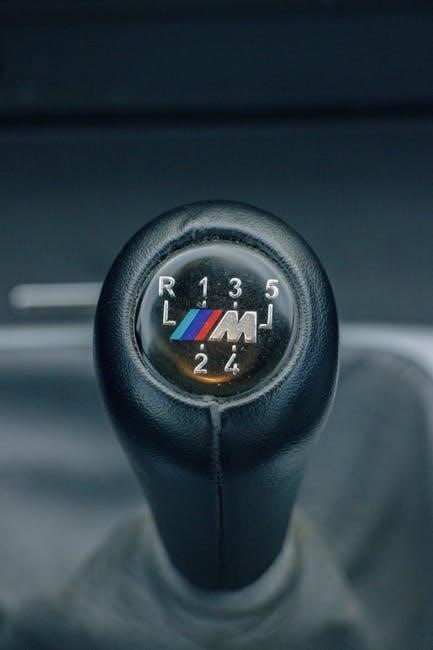
Regular maintenance ensures the Honda Prelude’s manual transmission operates smoothly; This includes fluid changes, inspecting for leaks, and monitoring clutch wear․ Addressing issues promptly prevents costly repairs․
Transmission Fluid Change
Regular transmission fluid changes are essential for maintaining the Honda Prelude’s manual transmission․ The fluid lubricates gears, reduces friction, and prevents overheating․ Over time, the fluid degrades, losing its viscosity and protective properties․ Symptoms of old fluid include sluggish shifting, grinding noises, or difficulty engaging gears․ Honda recommends changing the transmission fluid every 30,000 to 60,000 miles, depending on driving conditions․ Use the specified Honda OEM transmission fluid for optimal performance․ DIY fluid changes are possible with basic tools, but improper techniques can lead to contamination or leakage․ Always drain the old fluid carefully and replace the filter if applicable․ Dispose of used fluid responsibly․ A clean, fresh fluid ensures smooth operation and extends the transmission’s lifespan․ Regular checks can prevent costly repairs down the road․
Clutch Replacement
Clutch replacement is a critical maintenance task for the Honda Prelude’s manual transmission․ The clutch facilitates smooth gear shifts and engages/disengages power from the engine․ Over time, friction material wears down, leading to symptoms like slipping, difficulty shifting, or a spongy pedal feel․ Replacement typically occurs every 80,000 to 120,000 miles, depending on driving habits․ The process involves removing the transmission, inspecting the flywheel, and replacing the clutch kit, which includes the clutch disc, pressure plate, and release bearing․ Proper alignment and torque specifications are crucial to avoid damage․ Use genuine Honda parts for reliability․ DIY enthusiasts should follow detailed guides, but professional assistance is recommended for accuracy․ A new clutch ensures precise control and seamless performance, making it a vital upgrade for longevity and driving enjoyment․
Gearbox Maintenance
Gearbox maintenance is essential for ensuring the longevity and smooth operation of the Honda Prelude’s manual transmission․ Regular inspection of gears, bearings, and seals helps identify wear or damage early․ Lubrication is critical; use the correct grease for bearings and synchromesh components․ The gearbox should also be checked for leaks, especially around the gasket and shaft seals․ Cleaning the gearbox case and internals periodically prevents contamination․ For high-mileage vehicles, consider replacing worn bushings or bearings to maintain precise shifting․ Always follow torque specifications when reassembling components․ Proper maintenance prevents costly repairs and ensures the gearbox remains reliable․ Regular care enhances performance, making it a priority for both daily drivers and enthusiasts․ Consistent upkeep keeps the transmission running smoothly for years․
Common Issues and Solutions
The Honda Prelude’s manual transmission, like many others, can experience common issues over time․ One frequent problem is bearing failure, particularly in the fifth-generation models, often caused by high mileage or aggressive driving․ Symptoms include grinding noises or vibrations during gear shifts․ Replacing worn bearings with high-quality OEM or aftermarket parts is the solution․ Another issue is synchronizer wear, leading to difficulty shifting gears, especially into second or third․ Replacing synchronizer rings and gears can resolve this․ Additionally, clutch master cylinder failure can cause a soft pedal or inability to engage gears․ Replacing the clutch master and slave cylinders typically fixes this․ Regular maintenance and prompt repairs can prevent these issues from escalating, ensuring the transmission remains reliable and performs smoothly․
Modification and Upgrades
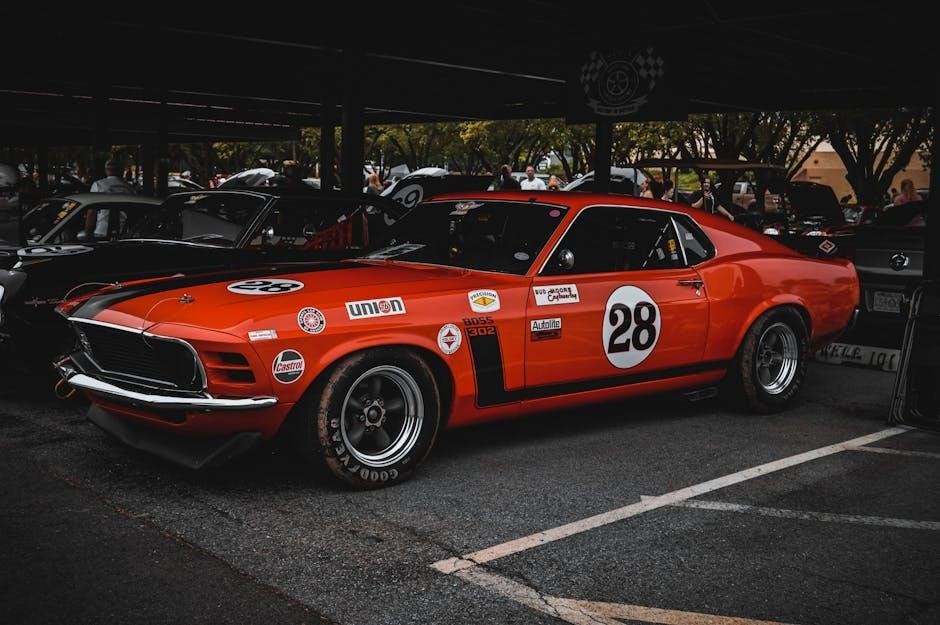
The Honda Prelude’s manual transmission can be enhanced with engine modifications, suspension upgrades, and brake improvements for better performance․ Exterior and interior mods further customize the car․
Engine Modifications
Engine modifications for the Honda Prelude manual transmission can significantly enhance performance․ Popular upgrades include engine swaps, such as installing the S2000’s AP1 or Integra Type R’s B18C for increased power․ Performance chips can optimize engine management, while cold air intakes and high-performance exhaust systems improve airflow and reduce backpressure․ Lightweight engine components, like aluminum radiators, reduce weight and enhance acceleration․ Forced induction, such as turbo or supercharger kits, boosts power dramatically․ Upgrading engine internals, including pistons and crankshafts, ensures durability under higher power․ Additionally, improving cooling systems and fuel injectors supports increased power demands, ensuring optimal performance and reliability․
Suspension Upgrades
Suspension upgrades for the Honda Prelude manual transmission significantly enhance handling and stability․ Lowering springs or coilovers reduce ride height and improve cornering by minimizing body roll․ Adjustable dampers allow drivers to fine-tune suspension stiffness for optimal performance on both streets and tracks․ Upgraded sway bars enhance lateral stability, reducing understeer during sharp turns․ Polyurethane bushings and mounts replace factory rubber components, offering better responsiveness and durability․ For enthusiasts seeking maximum performance, air suspension systems provide adjustable ride height and stiffness․ These upgrades not only improve the car’s dynamics but also maintain comfort, making them a popular choice among drivers who value both performance and daily drivability․
Brake Upgrades
Brake upgrades for the Honda Prelude manual transmission are essential for enhancing stopping power and safety, especially for spirited driving․ High-performance brake rotors, such as cross-drilled or slotted designs, improve heat dissipation and reduce brake fade․ Upgrading to high-friction brake pads increases stopping efficiency and provides consistent pedal feel․ Larger brake calipers with multiple pistons offer better clamping force, while stainless steel brake lines enhance responsiveness by reducing fluid expansion․ These modifications not only improve track performance but also elevate everyday driving safety․ Brake upgrades are a critical complement to suspension and engine modifications, ensuring the Prelude can handle increased power and agility with confidence․
Exterior and Interior Modifications
Exterior and interior modifications for the Honda Prelude manual transmission allow owners to enhance both aesthetics and functionality․ Exterior upgrades often include lightweight body kits, front and rear spoilers, and side skirts to improve aerodynamics․ Lightweight alloy or forged wheels not only enhance the car’s appearance but also reduce unsprung weight for better handling․ Inside, enthusiasts often install racing seats for better support during spirited driving․ Upgraded steering wheels, such as those from Momo or Nardi, add a sporty feel․ Carbon fiber trim and dash kits modernize the interior, while aftermarket gauges provide vital engine data․ These modifications allow owners to personalize their Prelude, blending performance and style for a unique driving experience․
Community and Enthusiasts
The Honda Prelude manual transmission has fostered a passionate community of enthusiasts who celebrate its performance and heritage․ Owners actively share modifications, driving tips, and experiences, creating strong bonds and camaraderie within the group․
Online Forums and Communities
The Honda Prelude manual transmission has a vibrant online presence, with enthusiasts gathering on forums like Reddit, Facebook groups, and specialized car communities․ These platforms serve as hubs for sharing knowledge, DIY tutorials, and troubleshooting tips․ Owners discuss modifications, performance upgrades, and maintenance advice, fostering a sense of camaraderie․ Many members showcase their vehicles, highlighting unique builds and custom setups․ Online communities also host virtual meetups and organize group drives, keeping the spirit of the Prelude alive․ These forums are invaluable resources for both newcomers and seasoned owners, providing a space to celebrate the car’s legacy and share passion for its manual transmission․ The collective knowledge and support within these communities underscore the enduring appeal of the Honda Prelude․
Local Meetups and Events
Local meetups and events dedicated to the Honda Prelude manual transmission foster a strong sense of community among enthusiasts․ These gatherings, often organized by car clubs or regional groups, provide a platform for owners to showcase their vehicles, share modification ideas, and connect with like-minded individuals․ Events range from casual weekend cruises to track days, where drivers can test their car’s performance․ Many meetups include workshops or Q&A sessions, allowing participants to learn from experienced technicians or seasoned owners․ These events not only celebrate the Honda Prelude’s heritage but also inspire innovation and camaraderie․ They serve as a testament to the enduring passion for this iconic car and its manual transmission, keeping its legacy alive for future generations․
DIY Projects and Sharing Knowledge
DIY projects and knowledge sharing are integral to the Honda Prelude manual transmission community․ Enthusiasts often undertake modifications such as custom shift knobs, lightweight flywheels, and aftermarket clutch installations to enhance performance․ Online forums and social media groups serve as hubs for exchanging tips, troubleshooting, and showcasing projects․ Many owners create detailed guides and videos to help others with repairs and upgrades․ This collaborative spirit fosters innovation and ensures the Honda Prelude’s legacy endures․ By sharing knowledge, the community empowers individuals to maintain and improve their vehicles, keeping the manual transmission’s unique driving experience alive and evolving․
Future of the Honda Prelude
The future of the Honda Prelude remains uncertain, but rumors of a revival and enthusiast communities keep its legacy alive, inspiring potential new generations․

Rumors of a New Generation
Recent rumors suggest Honda may revive the Prelude, potentially offering a new generation with advanced features while retaining its sporty DNA․ Enthusiasts speculate about a modern design, improved performance, and possibly a hybrid powertrain․ Some hope for a manual transmission option, appealing to purists who cherish driver engagement․ If realized, the new Prelude could cater to a younger demographic seeking a blend of nostalgia and cutting-edge technology․ However, Honda has not confirmed these rumors, leaving fans eagerly awaiting official updates․ The potential return of the Prelude highlights the enduring appeal of this iconic model and its ability to adapt to evolving automotive trends while staying true to its roots․
Electric or Hybrid Possibilities
Honda has been actively exploring electric and hybrid technologies, sparking speculation about a potential hybrid or electric Honda Prelude․ A hybrid powertrain could enhance fuel efficiency while maintaining performance, appealing to eco-conscious drivers․ If a hybrid Prelude were produced, it might incorporate Honda’s e:Technology platform, blending electric and combustion power․ This could deliver smooth acceleration and reduced emissions․ A manual transmission in such a hybrid system could offer a unique driving experience, combining efficiency with driver engagement․ Enthusiasts are divided on whether a hybrid Prelude would stay true to its sporty roots․ However, Honda’s commitment to sustainability suggests that future models, including the Prelude, may lean toward electrification to meet global market demands and emissions standards․ This shift could redefine the Prelude’s legacy in the modern automotive landscape․
Market Demand and Competition
The market demand for manual transmissions in sports coupes like the Honda Prelude has declined in recent years, as automatic and CVT options gain popularity․ However, enthusiasts still value the engagement and control of manual transmissions, creating a niche market․ The Prelude historically competed with models like the Toyota Celica, Nissan 240SX, and Mazda MX-5 Miata, all of which offered manual options․ While the Prelude is no longer in production, its used models remain sought after by driving purists․ Honda’s shift toward electrification and automatic transmissions reflects broader industry trends․ Yet, the enduring appeal of manual transmissions ensures that the Prelude’s legacy remains relevant among car enthusiasts, even as the market evolves toward newer technologies and preferences․
The Honda Prelude, with its manual transmission, stands as a testament to the joy of driving and the connection between driver and machine․ Its rich history, performance capabilities, and enthusiasts’ dedication highlight its enduring legacy․ While automotive trends shift toward automation, the manual transmission in the Prelude remains a cherished feature for purists․ This car has left an indelible mark on automotive culture, blending style, efficiency, and driving exhilaration․ As the industry evolves, the Honda Prelude’s manual transmission continues to symbolize the essence of driving passion, ensuring its place in the hearts of car enthusiasts for generations to come․